
Laboratory ventilation system animation - SMAY SMAYLab

In a laboratory or an infectious diseases ward, air must flow in one direction only. Nobody can see it, yet the safety of people on both sides of the door depends on it. A 3D animation shows how such a system works to designers and investors before they see it on site.

SMAY (smay.eu) manufactures the SMAYLab® system, which keeps rooms under positive or negative pressure. The result is an almost five-minute 3D film with a Polish voice-over, and a shorter English version runs on the company's YouTube channel.
What 3D animation gives HVAC and building automation manufacturers

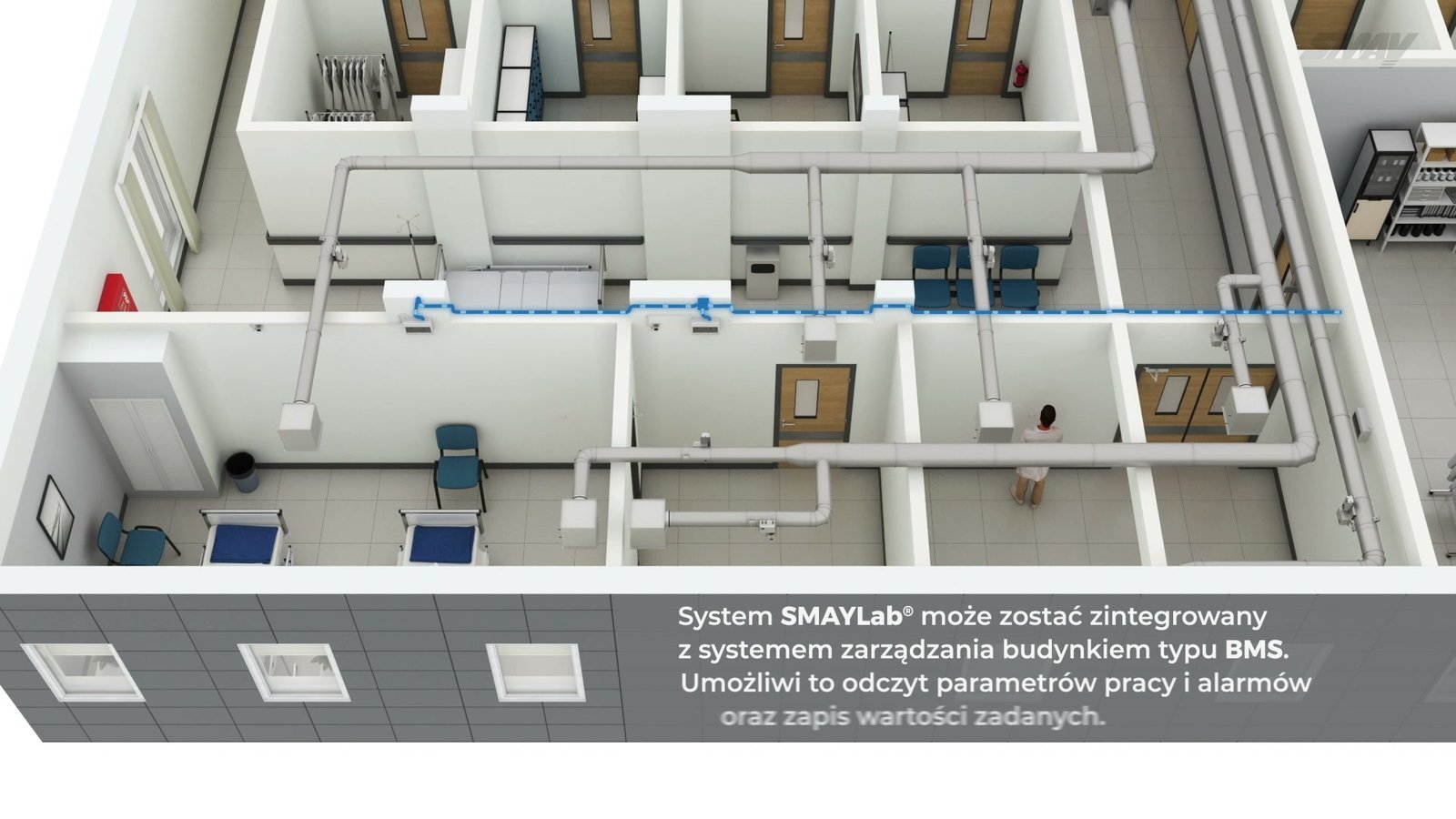
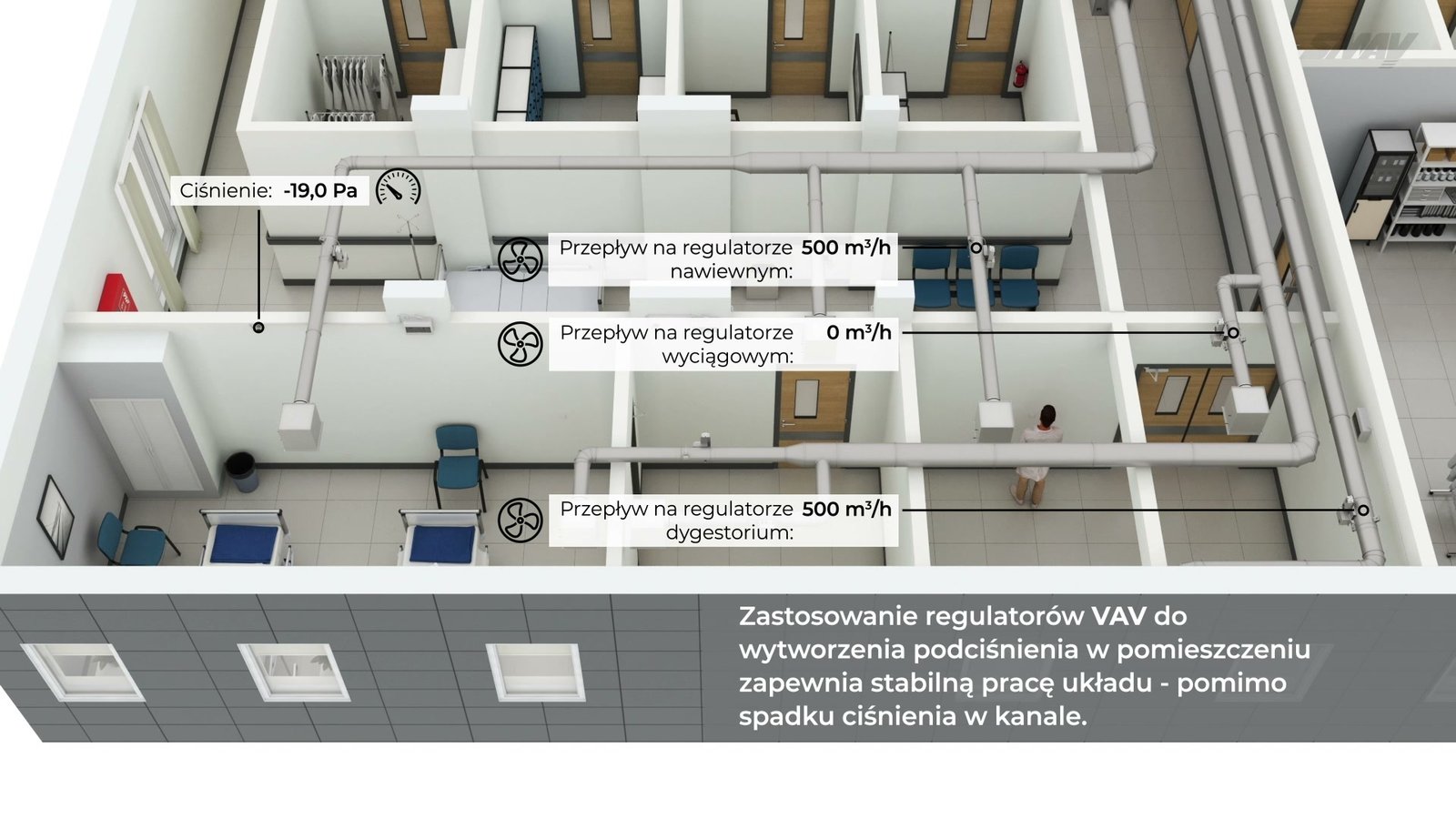
  1. An installation hidden in the ceilingA floor cross-section shows ducts, controllers and diffusers above the rooms. On site, a suspended ceiling covers them all.
  2. Pressure as a number on screenOn-screen counters turn automation into an event anyone understands: the door opens, pressure drops, the system responds.
  3. Catalogue devices at workEach element appears in its place in the installation, with a name and one sentence about its role - instead of a table of parameters.
  4. A voice-over that sellsThe narration walks through the system in the order an experienced adviser would at a meeting.
  5. A film you can pauseClear chapters let you return to one scene when a designer asks about a specific element.
  6. One picture, several versionsThe same scenes work in the Polish version with a voice-over and in a shorter English cut on the company channel.

How to sell a system nobody can see

A manufacturer of ventilation for clean zones has a double problem. After installation, the system disappears above the ceiling, and its result - the pressure difference between rooms - has no image at all. A photo shows a diffuser grille and a control cabinet, while the decision is made on what cannot be seen.

The 3D animation lifts the roof off the building and shows the whole floor from above: rooms, corridor, airlock, isolation room and a laboratory with a fume cupboard, with the duct network above them. The viewer immediately understands where each element works and why the system exists. The same approach works for any HVAC installation hidden in walls, ceilings and shafts.


Floor cross-section with VAV controllers and airflow counters

Door open, alarm, back to normal

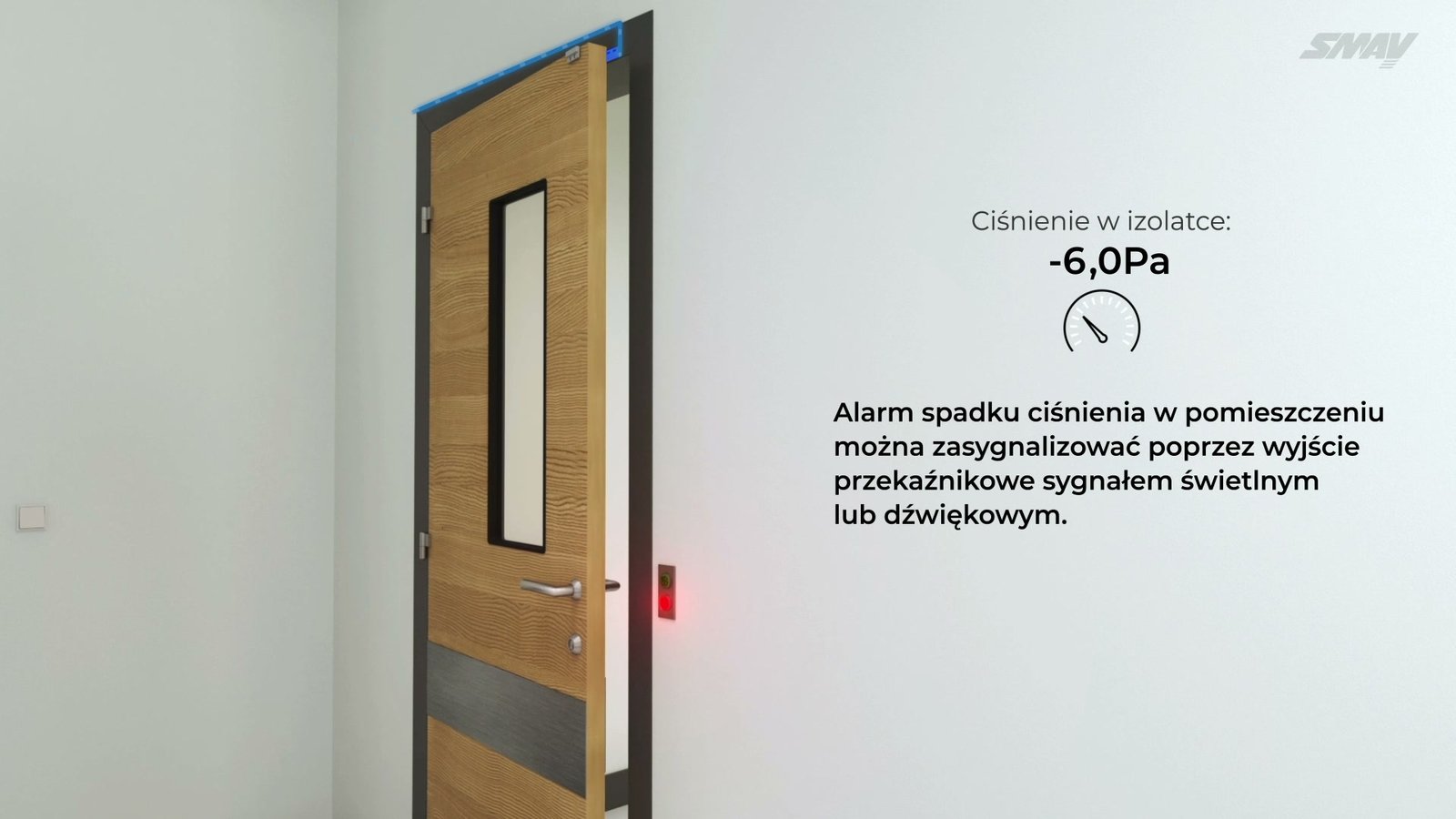
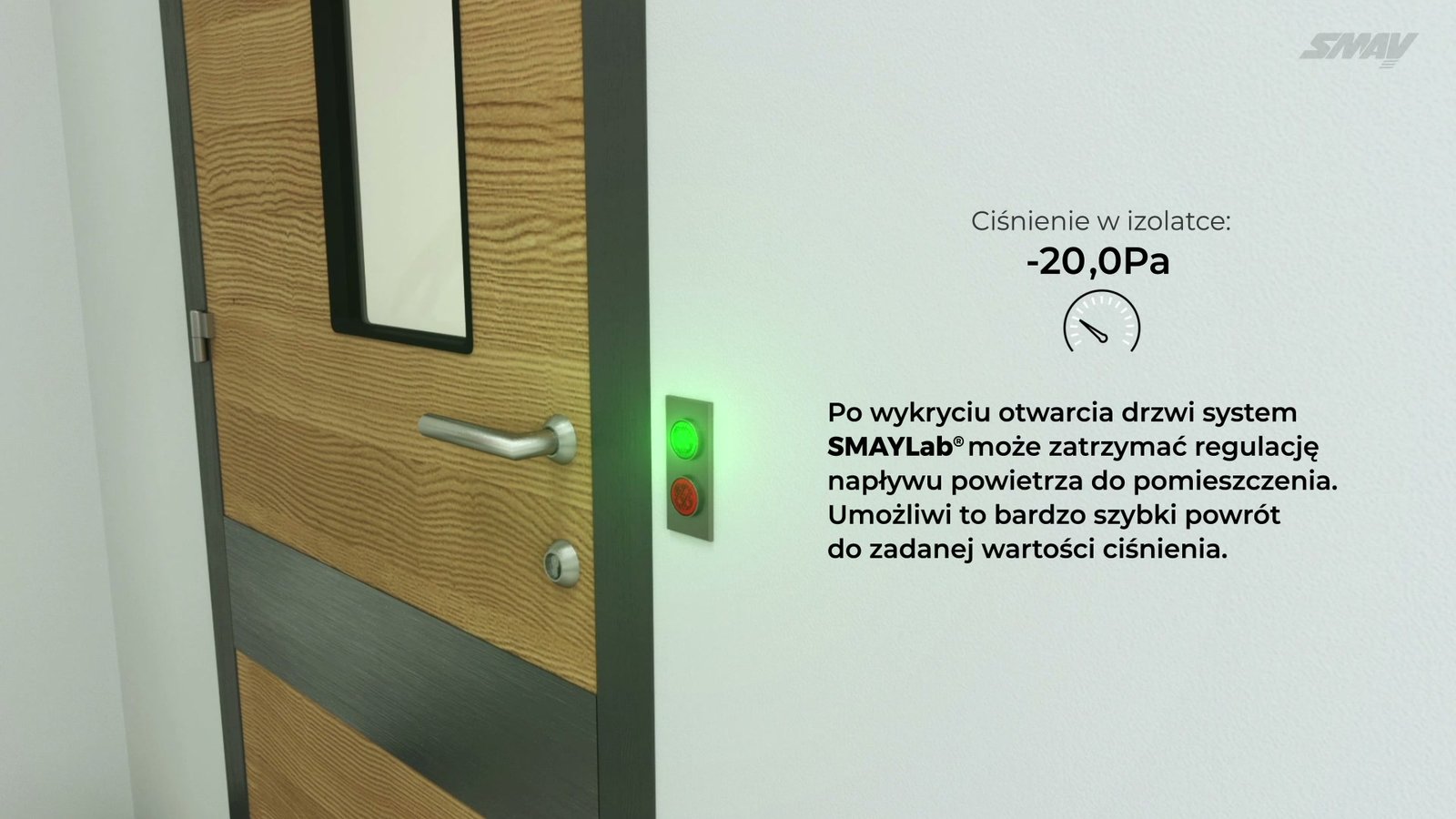
The strongest part of the film is a short story told in numbers. The isolation room is under negative pressure. Someone opens the door: the counter in the frame drops and a red alarm lamp lights up next to the door. Once the door closes, the pressure quickly returns to the set value, because the system paused supply air control for that time.

The designer does not need to read the control algorithm. They see what happens to the air when someone leaves the room and grasp the advantage of the solution straight away.


Isolation room door open: pressure drops, red lamp lights up
Door open - pressure drops, light alarm
Door closed: pressure returns to the set value
Door closed - fast return to the set value

Selling an installation or automation system?

An animation shows what happens in ducts and rooms before the client sees the building. The calculator gives an estimated cost in two minutes.

Check the estimated cost

System components shown at work, not in a table

Before the film shows the whole system working, it introduces its parts: a variable air volume (VAV) controller, the Elixair electrostatic filter, a pressure transmitter, a diffuser with an H13 filter and integration with the building management system. The filter opens and its cassettes slide out one by one - easy in 3D and impossible in a photo, because a filter in a duct is always closed.


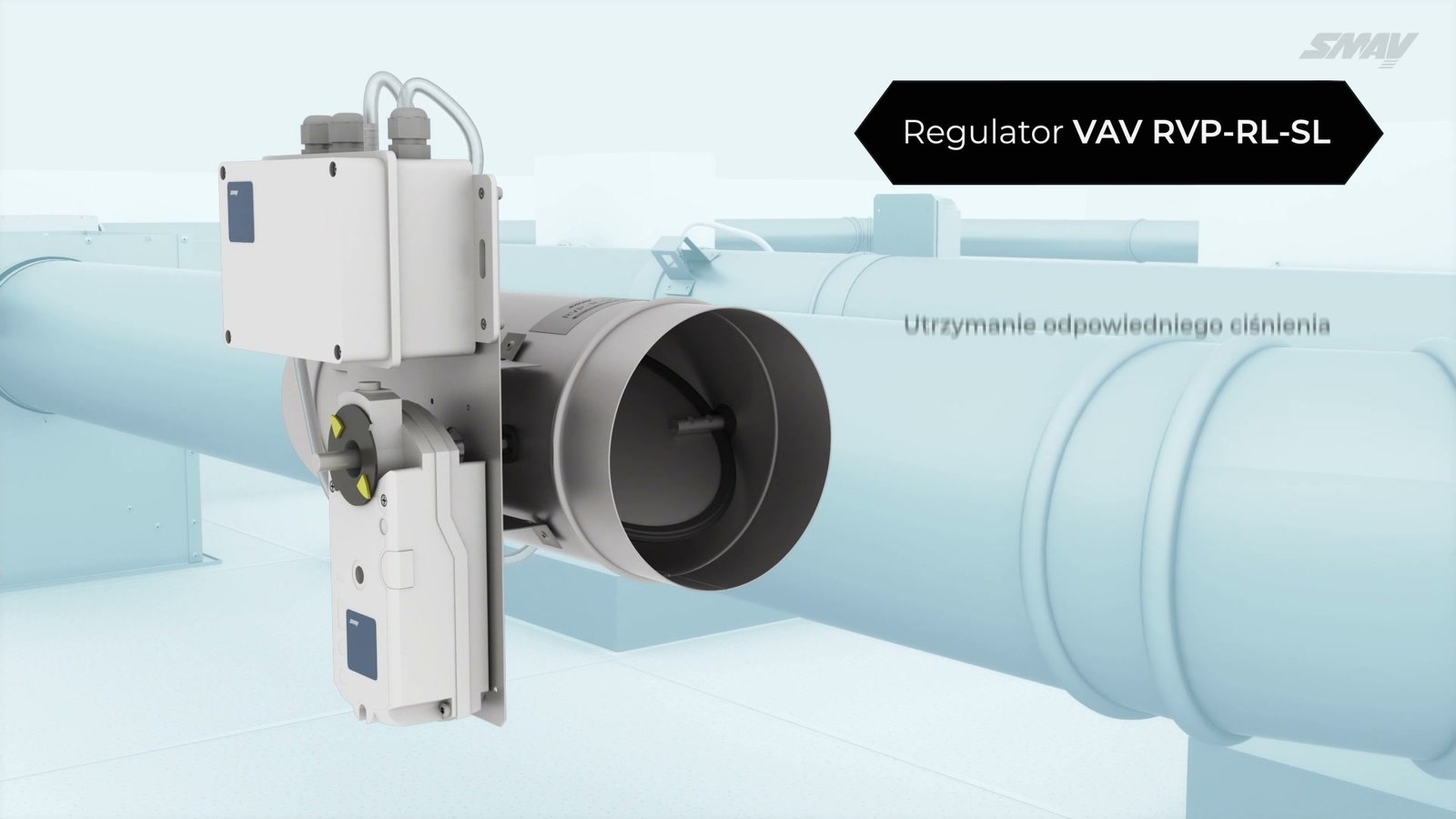
Variable air volume (VAV) controller in the duct
1. VAV controller - keeps the right supply air
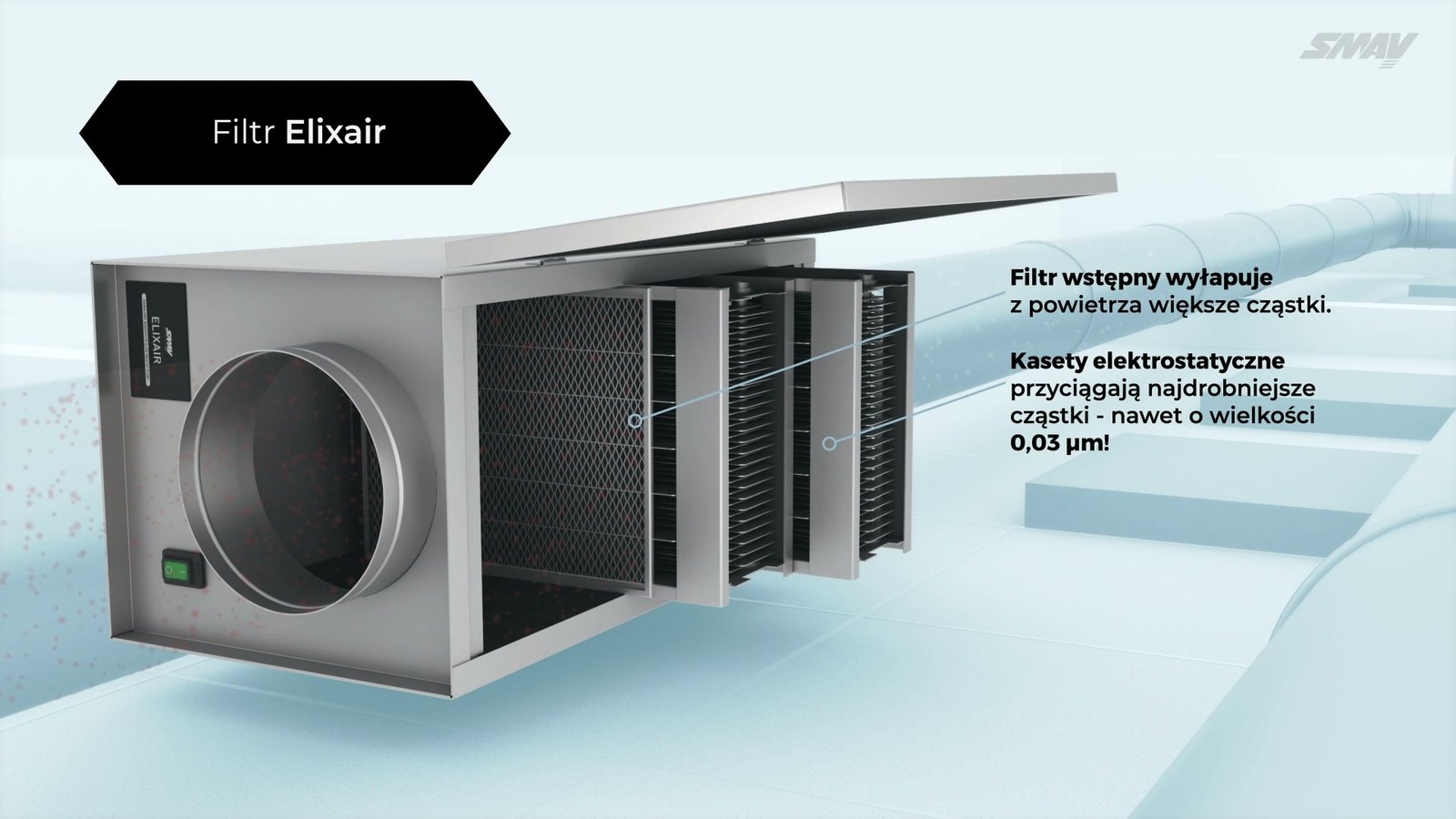
Elixair electrostatic filter in the installation
2. Elixair filter - in the installation
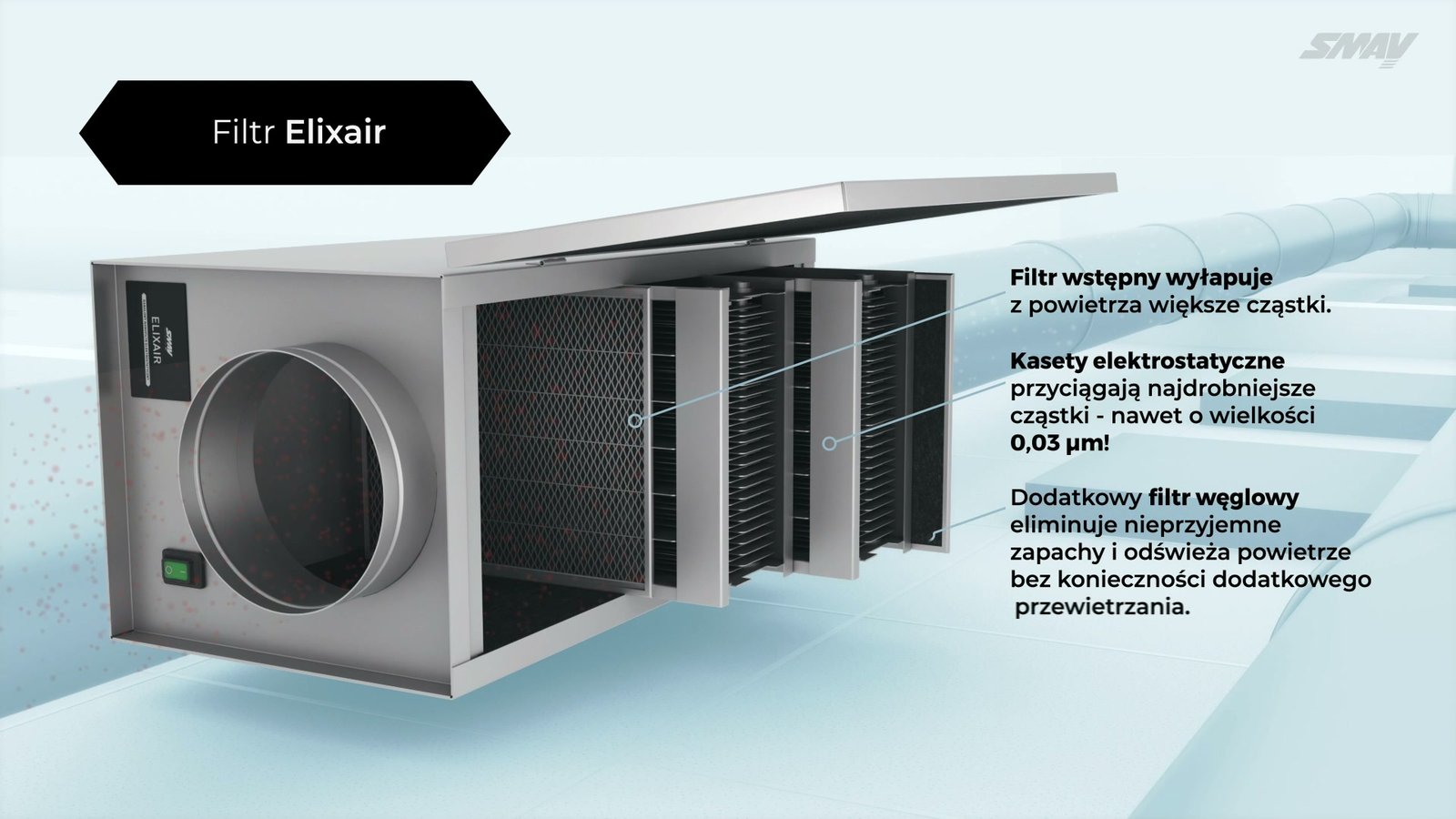
Elixair filter opened: pre-filter, electrostatic cassettes and carbon filter
3. Filter opened - cassettes one by one
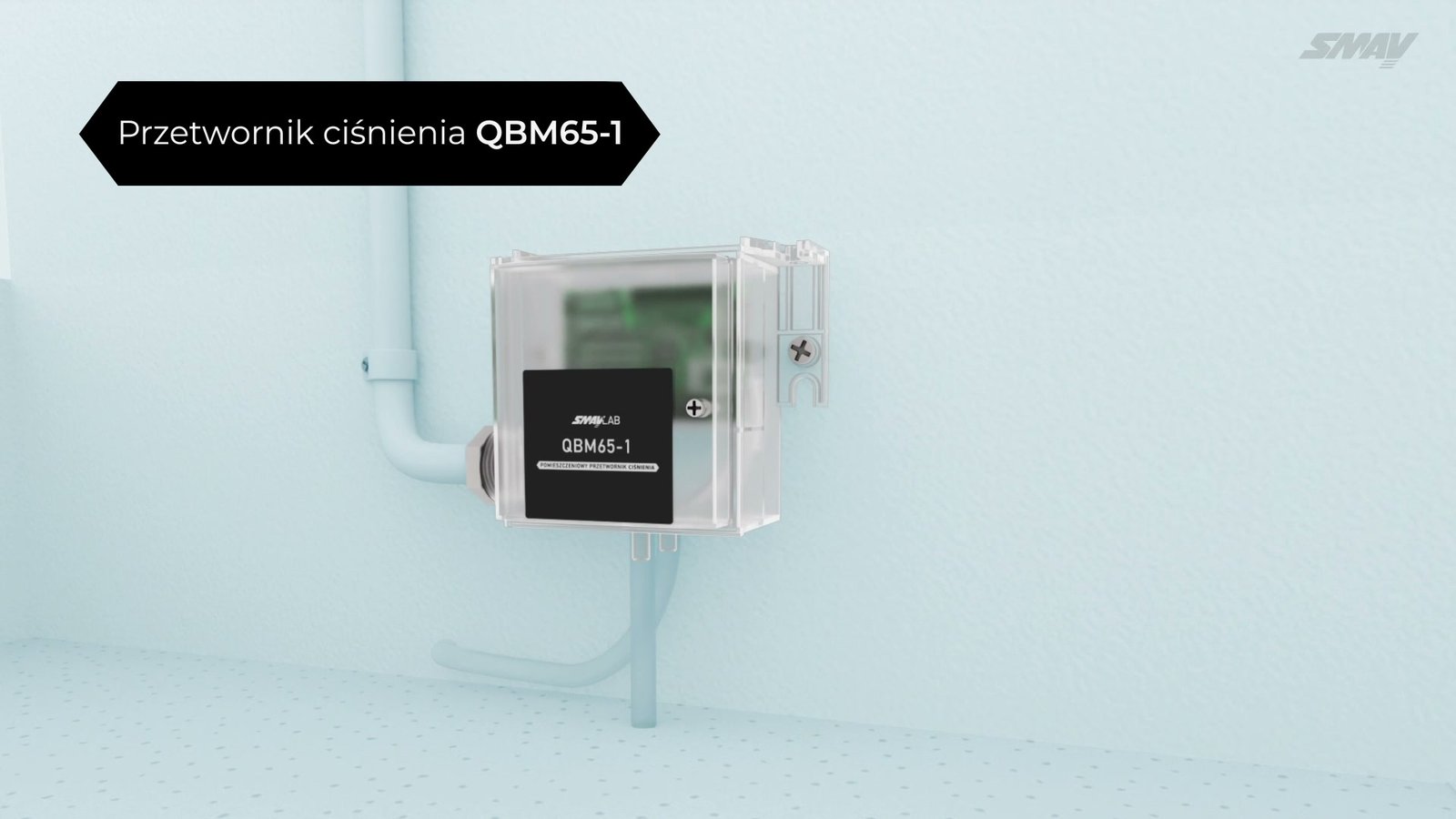
QBM65-1 pressure transmitter next to the room
4. Pressure transmitter - measured against the corridor
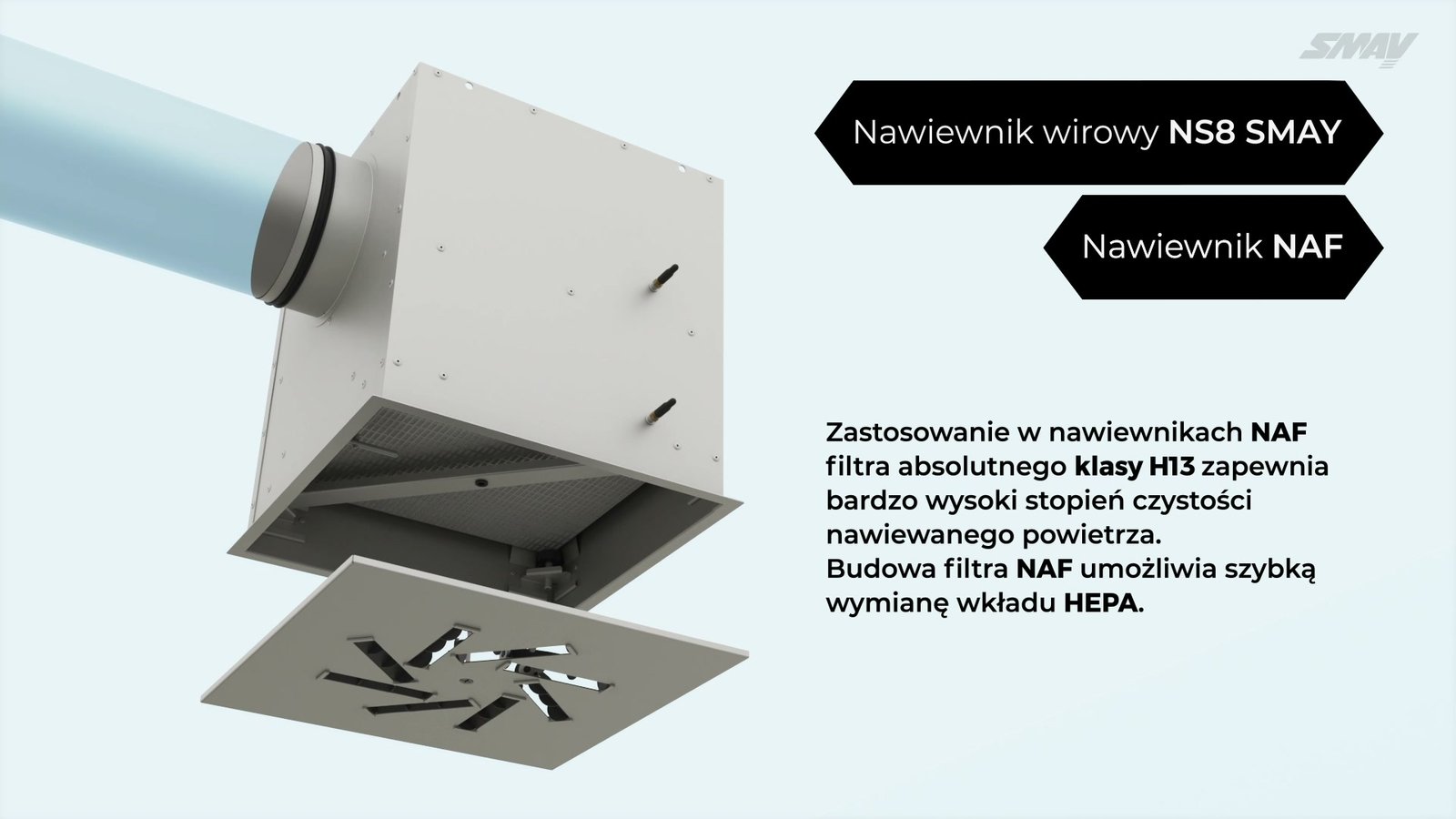
Supply diffuser with H13 absolute filter
5. Diffuser with H13 filter - clean supply air
System integration with the building management system (BMS)
6. BMS integration - parameters and alarms readout

A long film for people who make investment decisions

The full animation runs almost five minutes, because its audience does not decide in passing. A designer, hospital engineer or laboratory manager wants to see the whole system, and the counters and captions let them pause at every stage. At the end, the film lists reference sites where the system runs, including the PKN Orlen Central Laboratory in Płock, IUNG in Puławy, CNT in Gliwice and IWC PAN in Warsaw.

The same scenes produced the shorter English version on the SMAY channel shown above. More on how a film guides a client through a complex system: 3D explainer video and technical animations.


  1. Meetings with designersThe film replaces a site visit and answers questions about how the system works before they are asked.
  2. Trade shows and conferencesSingle scenes, such as the open-door alarm, work as short loops on a screen.
  3. Website and YouTubeThe full version explains the system to anyone who lands on the product page.


Frequently asked questions

Questions manufacturers of installations, ventilation and building automation most often ask when planning a film about their system.


How do you show something invisible on film, such as air pressure?

With numbers and events. A pressure counter by the door, an alarm lamp and flow arrows let the viewer follow the change on screen and understand its effect.

In the SMAYLab animation, the pressure in the isolation room drops when the door opens and recovers when it closes - without a single sentence about the control algorithm.


Can a film about a system last several minutes?

Yes, if the audience is a specialist making an investment decision. A long film should be split into clear chapters so it can be paused and a specific element revisited.

The same scenes can later be cut into a shorter version or single loops for trade shows and social media.


Can a voice-over be added to a finished animation?

Yes, if the scenes leave room for commentary. The voice-over and music are mixed with the picture at the end, and the same picture can have several language versions.


How much does an animation of a ventilation system or installation cost?

The cost depends on the length of the film, the number of devices and how much of the building has to be built in 3D. Ready CAD models of the devices shorten the work considerably.

The cost calculator gives an estimate in two minutes. An exact quote follows a conversation about the system and the channels where the film will work.


Have a similar project?

Describe your product and the channel where the animation will work - we will reply with suggested shots and a quote.