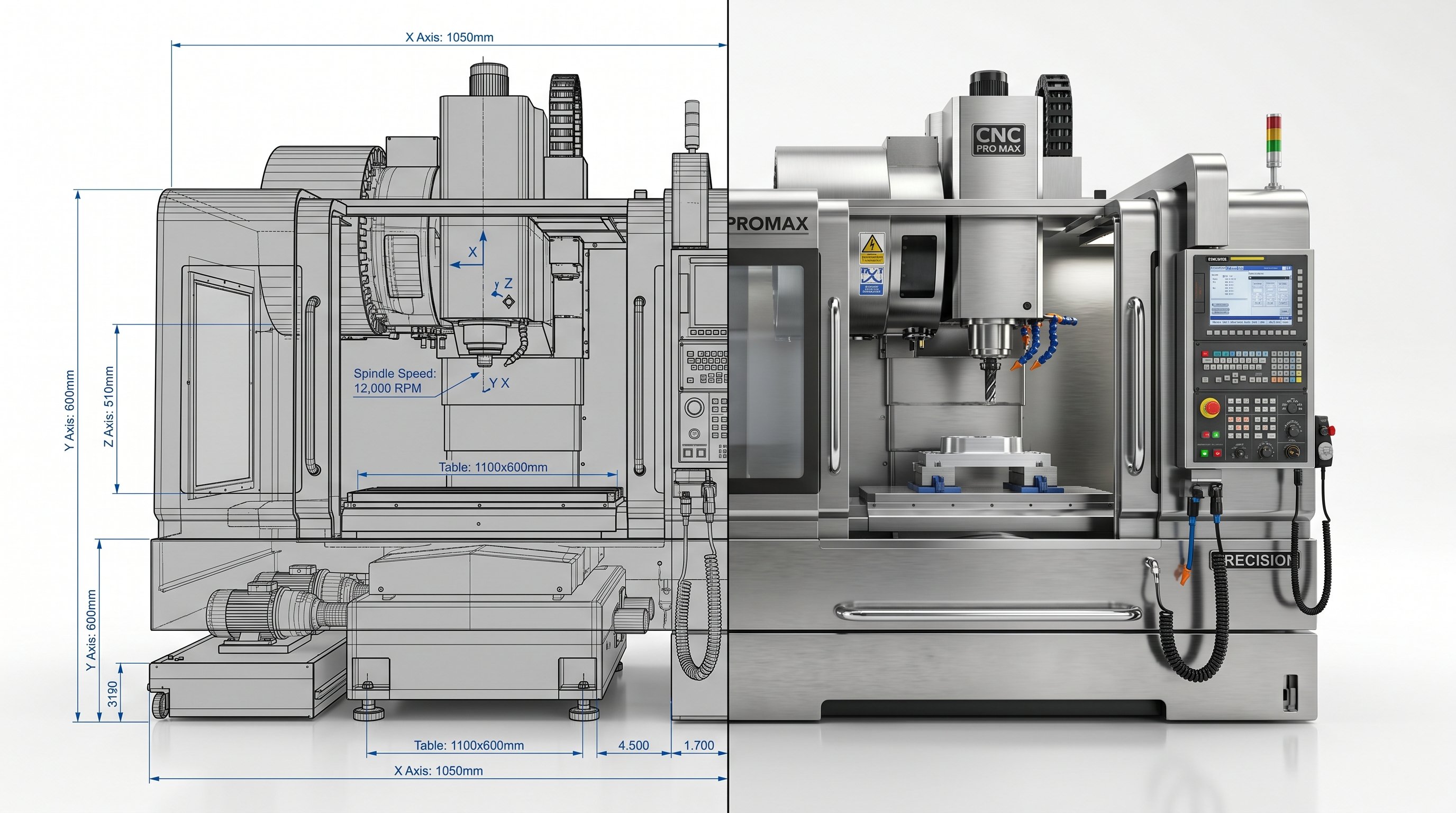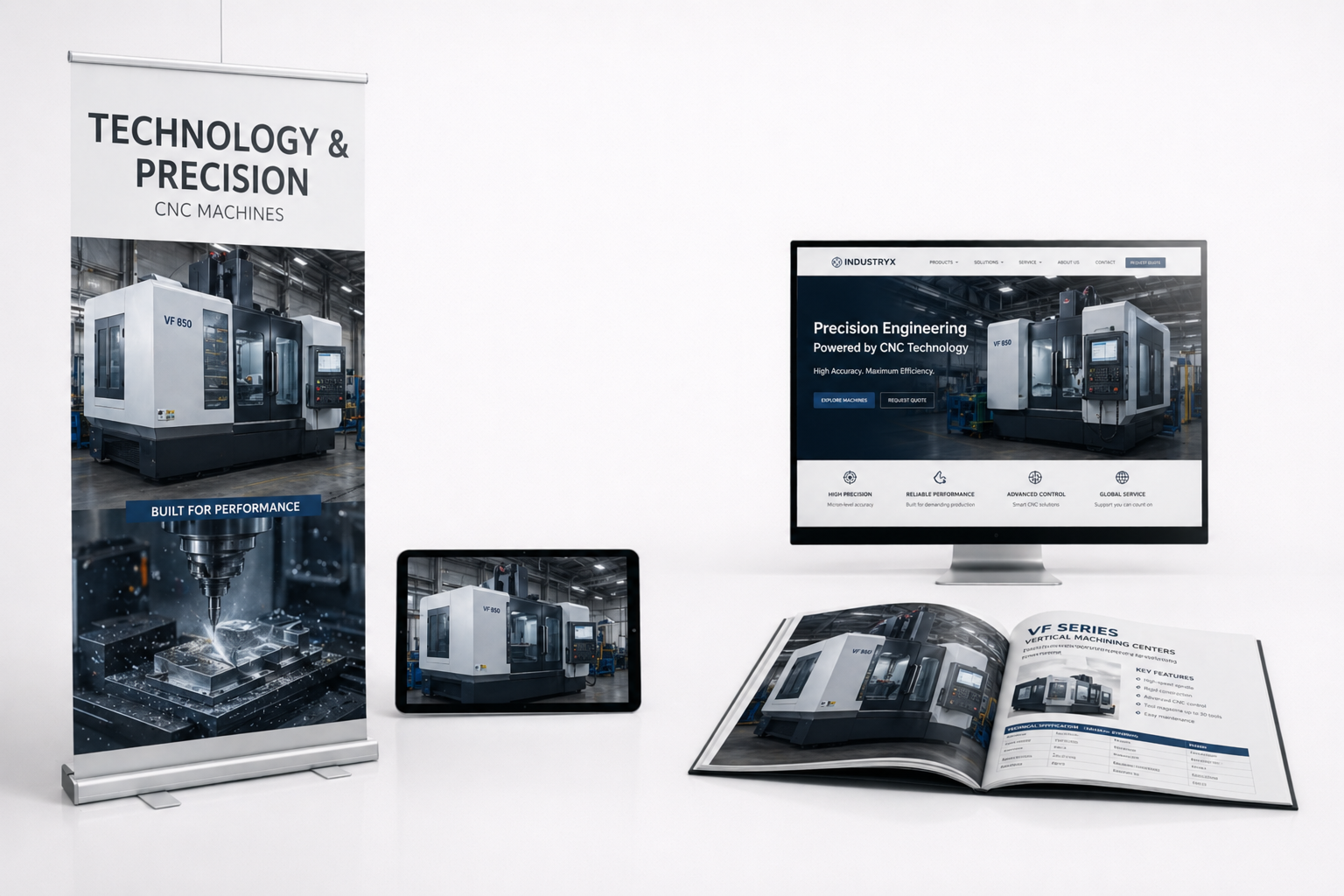

3D product visualization turns CAD data, technical drawings or a few reference photos into photorealistic images of your product — ready for a catalogue, an online store or a trade-show stand, without a photo shoot and often before the first prototype exists.
Build the 3D model once and every shot after it matches: the same light, the same angle, the same scale — across the whole product line, including the variant that only joins the range six months later.
3D product visualization built for manufacturers, not stock scenes
Most product visualization companies come from advertising. We come from engineering — which is why we start from your CAD data, not a mood board. The result carries real geometry: correct proportions, real materials, and the detail a buyer checks before signing off.
A 3D product visualization is the practical alternative to a photo shoot. You don’t put the item in a studio; you use its data. That matters when the product is still in production, sits at a customer’s site, or has not been built yet.
Because the source is a single 3D model, a whole catalogue stays consistent — one standard of light and framing for every model in the range. A photo studio has to rebuild that setup shot by shot, and rarely matches it exactly.
For technical products the model does more than look good. Semi-transparent views, cross-sections and exploded layouts show what a camera physically cannot reach — often the argument that decides a B2B purchase.

How we build a product visualization — from CAD to final render
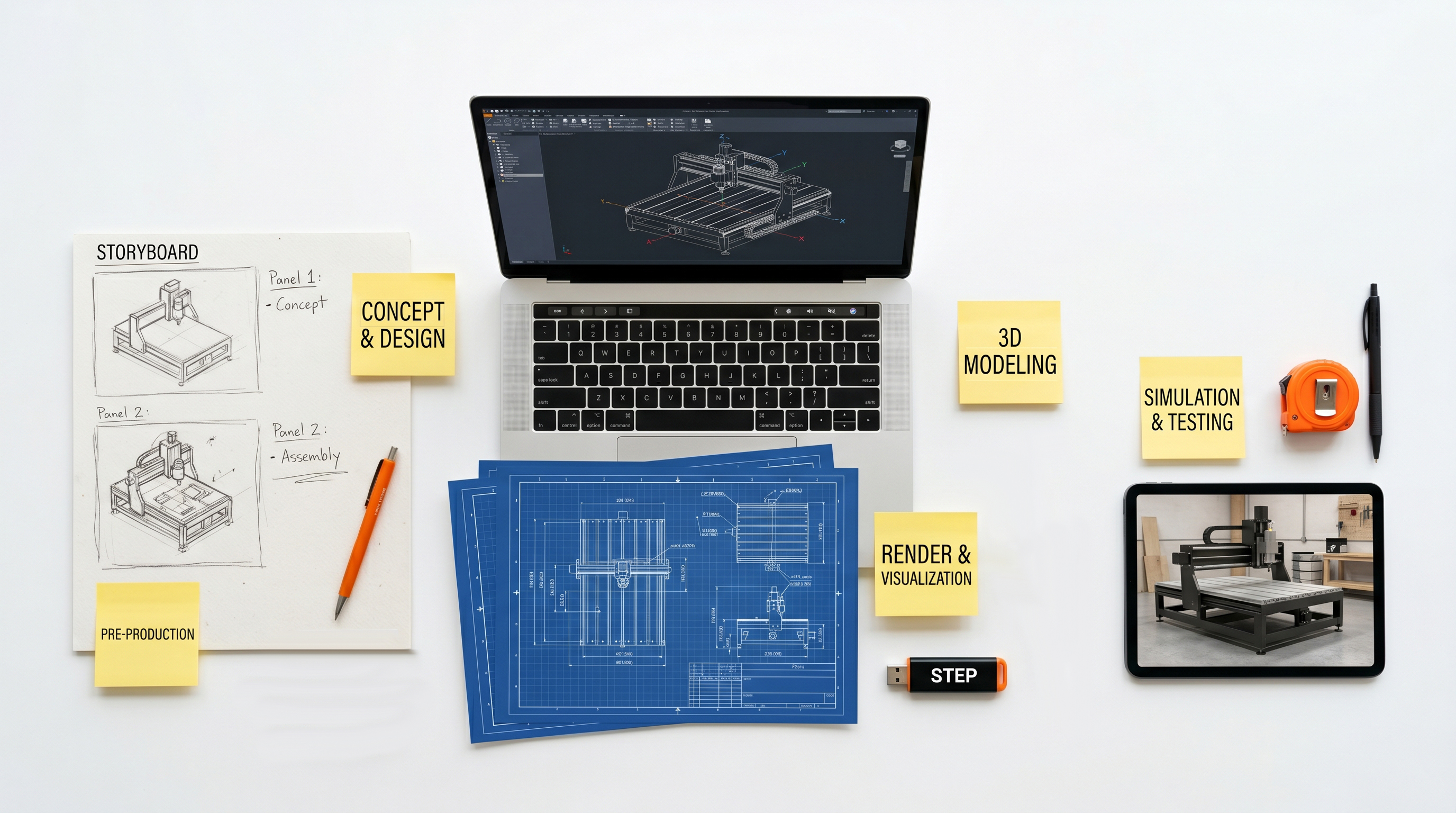
The process is closer to engineering than to photography. We build a solid 3D model, assign real materials and surface finishes, then set lighting, scenery and the virtual camera. When CAD files are available (STEP, IGES), the geometry comes straight from your documentation — accurate to the structure, with no guesswork.
Where there is no CAD, we rebuild the product from photographs, technical drawings or sketches, checking every side so the render matches the real object.
For HF Inverter, a manufacturer of frequency inverters, we worked straight from CAD data — and the same model then served a product catalogue, a 360° view and an explainer. Built once, reused across every channel, with nothing reshot.
Where 3D product visualization earns its place
For consumer products, the visual is the product. On an e-commerce card, a catalogue page or a packaging mock-up, the render is what the buyer judges — so it has to show the finish, the material and the fine detail exactly, and stay consistent across the whole range.
From a single 3D model you get the full set: clean packshots on a neutral background, styled scenes for campaigns, and every variant — colours, finishes, sizes — without a new shoot for each one. Cosmetics, packaging, jewellery, small consumer goods: products where surface and light decide the sale.
The same model can also drive AR product visualization and online configurators, where a buyer rotates the product and switches variants in the browser — from assets you already own. For the wider range of what we cover, see our 3D visualizations and five ways to use 3D.
Let’s talk
Every project is quoted individually — it depends on complexity, the number of shots and variants, and whether CAD data is available. For a rough estimate, use the calculator on our 3D page; or send us your product and we’ll come back with a quote within 24 hours.
Frequently asked questions
What is 3D product visualization?
It’s a photorealistic image of a product built from a 3D model instead of a photograph — created from CAD data, drawings or reference photos. You get catalogue, e-commerce and trade-show visuals without a physical product and without a photo shoot.
How is it different from a product photo shoot?
A shoot needs the finished product, a studio and a reset for every variant. A visualization needs your data once; after that every shot matches in light, angle and scale — including products that don’t physically exist yet.
Do you need the physical product to start?
No. We work from CAD files, technical drawings, sketches or photos. That’s the point: you can show a product still in production, sitting at a customer’s site, or not yet built.
What files do you need from us?
CAD data (STEP, IGES) gives the most accurate result, straight from your engineering. If there is no CAD, photos and drawings from several angles are enough for us to rebuild the model.
Can you show the inside of a product?
Yes — semi-transparent views, cross-sections and exploded layouts reveal internal geometry a camera can’t reach. For products where the value is hidden, that is usually the deciding shot.
What's the difference between a render and an animation?
A render is a still image; an animation shows the product in motion — assembly, operation or a rotating view. Both come from the same 3D model, so a still today can become an animation later without rebuilding it.
How much does 3D product visualization cost?
Every project is quoted individually — it depends on complexity, the number of shots and variants, and whether CAD data is available. Use the calculator on our 3D page for a rough estimate; we return a firm quote within 24 hours.
Can the visuals be used in AR or an online configurator?
Yes. The same model can drive AR product visualization and web configurators, where a buyer rotates the product and switches variants in the browser — reusing assets you already own.
Keep reading
How much does 3D visualization cost?
What actually drives the quote — and which input materials bring the cost down.