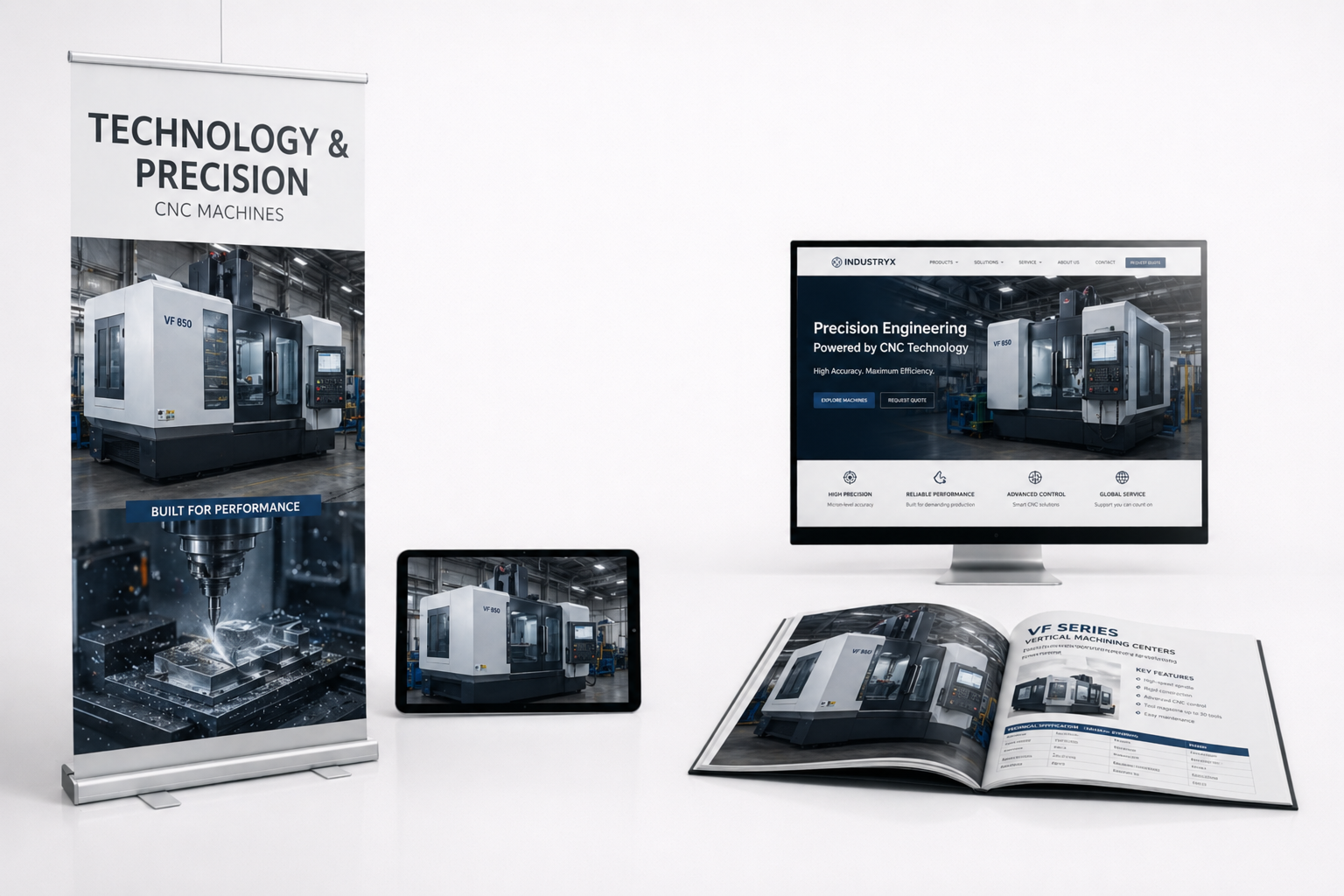

3D modeling turns a product into precise digital geometry — a spatial model built from your CAD data, technical drawings or photographs, ready for visualization, animation, print or a 3D-printed prototype.
The model is the master. Build it once and everything downstream reuses the same geometry, so every render, animation and configurator after it is faster and cheaper — none of them starts from scratch.
3D MODELING – 7 examples of practical application:
New product launch:
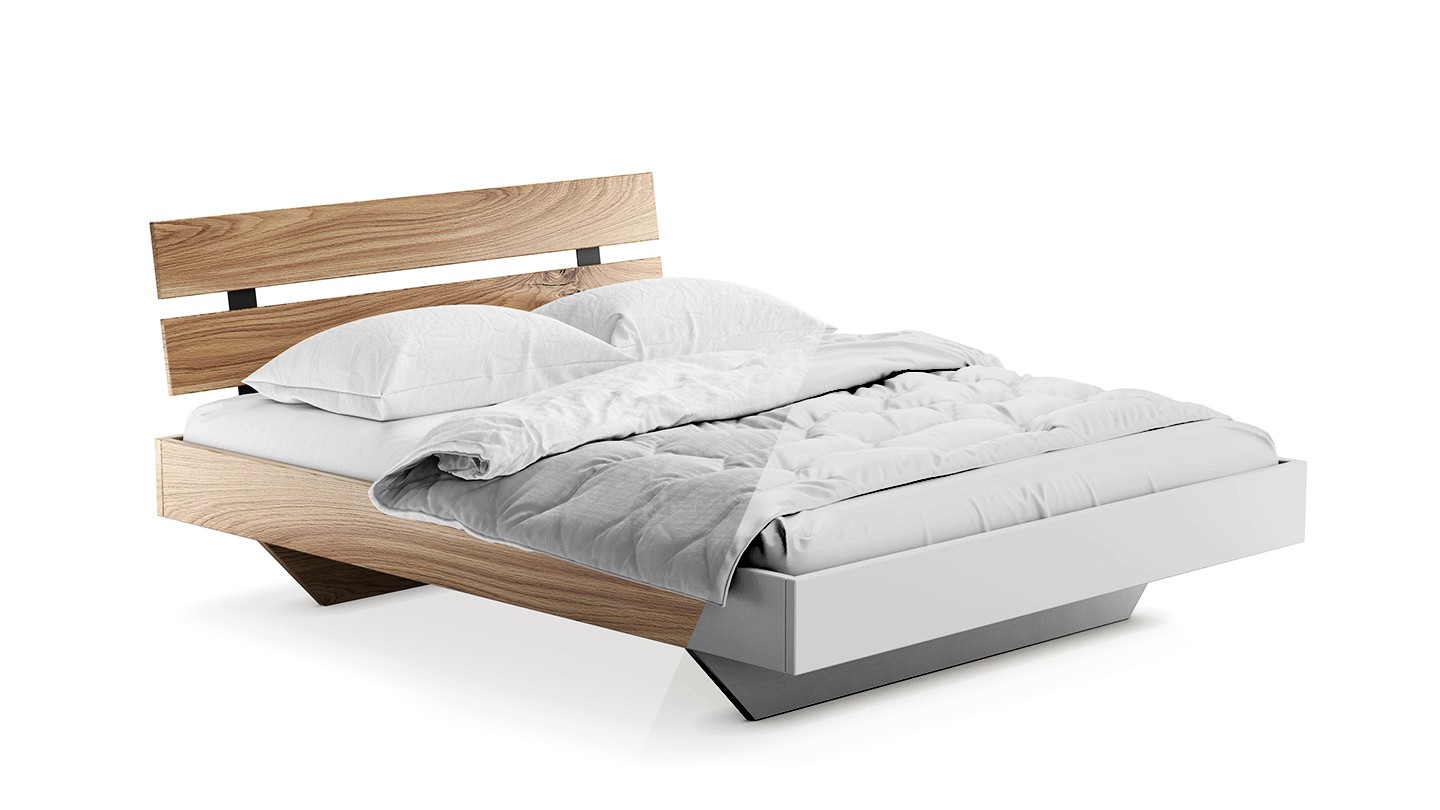
Based on sketches and basic dimensions, we made a 3D model of the new bed, visualisations were created showing different versions, and together with the client we refined the appearance and material variations. The model and visualisations were used in the production facility as a model to produce the prototype correctly.
Medicine and dentistry:
The use of 3D modeling supports procedure planning, training of medical staff and patient education. In this way, we demonstrate complex procedures for installing dental implants or explain the use of treatment syringes step by step.
Automotive:
For KNAUF, we create models and visualisations and animations of vehicles showing the use of modern EPP and EPS plastics. Such graphics immediately show solutions that are not visible to the naked eye, the components and products beneath the bodywork and their function.
Education and Training:
3D modeling enables the creation of free-form, interactive educational, training and instructional materials. This helps to understand the construction and operation of equipment and aids learning.
Advertising and Marketing:
The creation of 3D visualisations and animations is commonly used in advertising products and services, helping to attract customer attention.
Interior Design:
3D modeling allows you to design interior decoration and arrangements, 3D models downloaded from manufacturers’ websites, helping to arrange the space. Visualisation of the interior with 3D models facilitates purchasing decisions and the choice of decor for the space.
Architecture and Construction:
3D modeling allows architects and engineers to visualise the design of buildings, public spaces or infrastructure, facilitating planning and analysis of development.
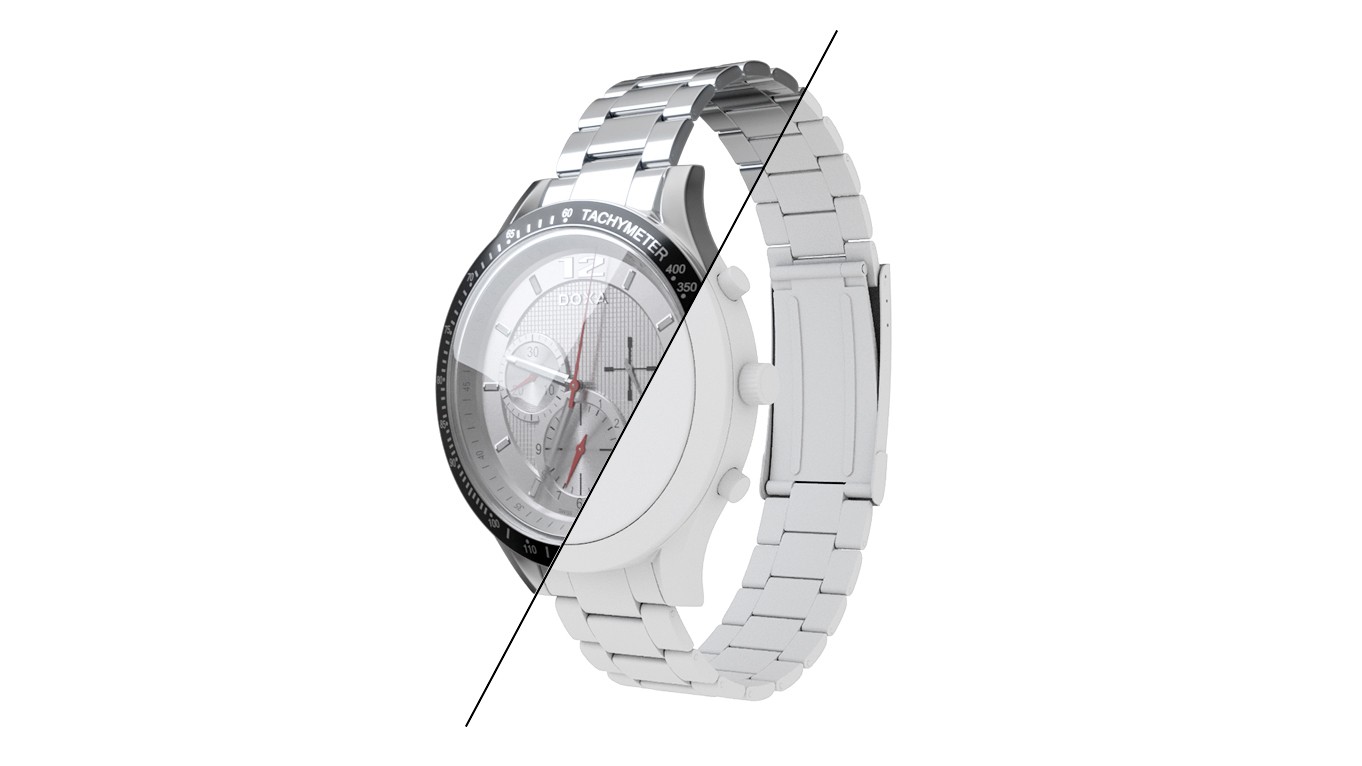
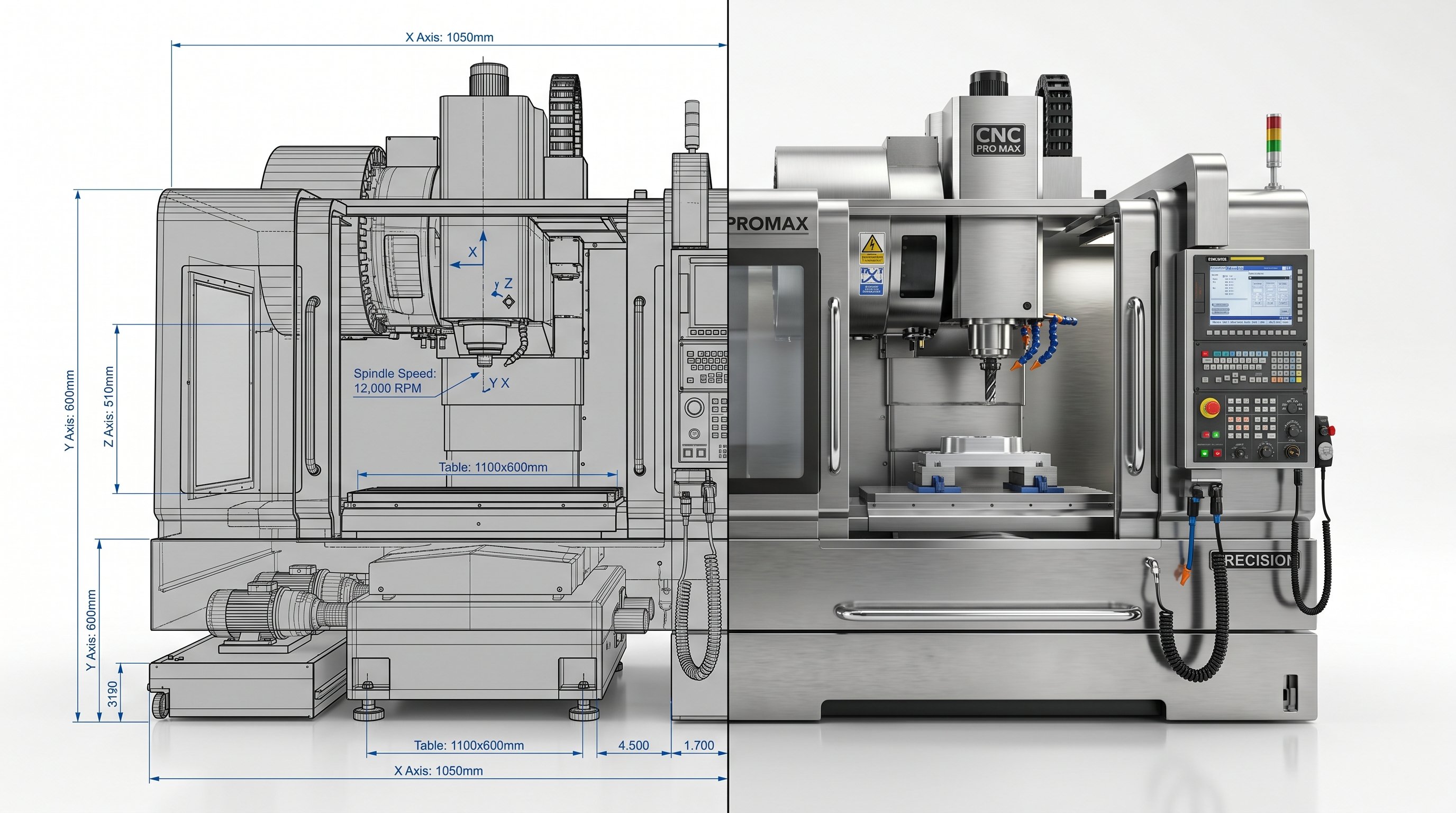
3D modeling from CAD — engineering accuracy, not guesswork
When CAD files are available (STEP, IGES), we build the model straight from your documentation. The geometry keeps real proportions and structure, so the result matches the manufactured part — the accuracy a technical or B2B audience checks before they trust a visual.
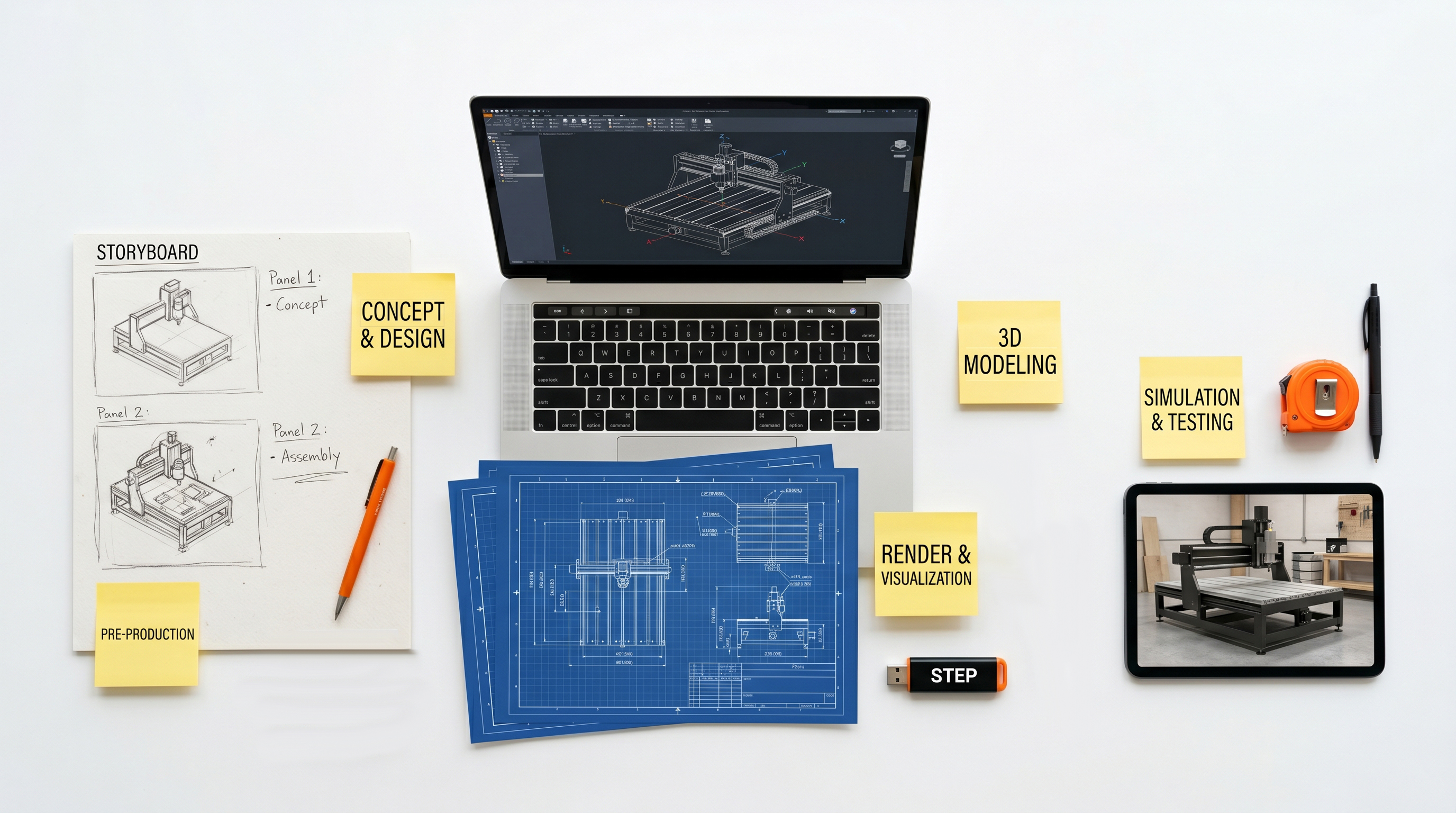
For Pokolm, a manufacturer of CNC milling tools, we worked from CAD data to model the machine and its tooling — the same model then drove product visuals and animation without rebuilding anything.
Where there is no CAD, we rebuild the product from technical drawings, sketches or photographs from several angles. A finished 3D model can also be published on a website, so customers download not just documentation but the object itself, ready to view in 3D.
3D MODELING OF BUILDINGS – show your projects in an innovative way
In our offer you will find the modeling of products, architecture and interiors or entire buildings in 3D.
This service is particularly appreciated by architects, developers and engineers, who can use it to show their designs in the arrangement of space in which they occur in reality. It is also possible to show in 3D solutions that are difficult or impossible to photograph, located inside the structure, under the façade or foundation. For such applications, it is a great idea to make and show the model in cross-section.
3D modeling makes it possible to uncover every layer of a building without demolishing the wall, to clearly show the cross-section of a structure or the use of a product located in places that are inaccessible to the camera. The models we create can also be made available on the web so that designers and architects can use them for their space arrangements.

LET’S TALK
How can we help highlight your products or showcase your ideas in 3d?
Frequently asked questions
What is 3D modeling?
3D modeling is building a precise digital, three-dimensional version of a product, machine or object. It becomes the master used for visualization, animation, print and 3D-printed prototypes.
What do you need to start a 3D model?
CAD files (STEP, IGES) give the most accurate result, straight from your engineering. Technical drawings, sketches or photos from several angles also work when there is no CAD.
Do I need CAD data?
No. CAD is the fastest, most accurate route, but we regularly rebuild products from drawings or photographs when CAD is not available.
Can one model be used for both animation and print?
Yes — that is the point of modeling once. The same geometry drives renders, animations, web configurators and high-resolution print, without rebuilding it.
How accurate is a model built from CAD?
Accurate to your documentation. We keep the real proportions and structure from the CAD file, so the model matches the manufactured part.
Can the model be 3D-printed as a prototype?
Yes. The graphic model can serve as the basis for a printed prototype, so you can assess the look and refine the product before committing to production.
What kinds of products do you model?
Machines and CNC tooling, technical and medical devices, HVAC, packaging and consumer products, architecture and interiors — anywhere a product needs to be shown before it physically exists.
How much does 3D modeling cost?
Every project is quoted individually — it depends on complexity, level of detail and whether CAD data is available. Use the calculator on our 3D page for a rough estimate; we return a firm quote within 24 hours.
Keep reading
How much does 3D visualization cost?
What drives the quote — and which input materials bring the cost down.