

3D Animation for Sales: Six Ways It Helps You Close
How 3D graphics and animation help you sell.
Table of contents:
What 3D animation is and when it’s worth using
In marketing, where a customer’s attention is worth its weight in gold, companies increasingly reach for innovative visual tools to capture interest and stand out from the competition. 3D animation is one of them, combining function with visual appeal. Whatever the industry, a professional 3D animation can convince a customer faster than hundreds of words.
3D animation is the craft of creating moving images in a three-dimensional space. It lets you present a product realistically — how it works, and the environment it’s used in. It isn’t just an “impressive video” but a strategic tool used across marketing, e-commerce, industry, architecture, automotive and many other fields. Companies use 3D animation for product presentations, advertising, instructional films and teasers for new product lines.
It’s a form of communication that works on emotion and delivers precise information quickly and clearly at the same time.
3D animation shows detail that traditional photos or video can’t capture. Virtual cameras, dynamic shots, and the ability to “look inside” a product all help the customer understand exactly what they’re buying.
Video is the most effective way to reach a viewer: it crosses language barriers, explains complex processes simply and clearly, and engages the audience by showing what can’t be filmed with a real camera or captured in a photo.
Better product understanding
One of the main reasons customers abandon a purchase is not understanding how a product works or what benefits it offers. 3D animation shows the advantages, construction and operation of a product quickly and in a way that’s easy to follow.
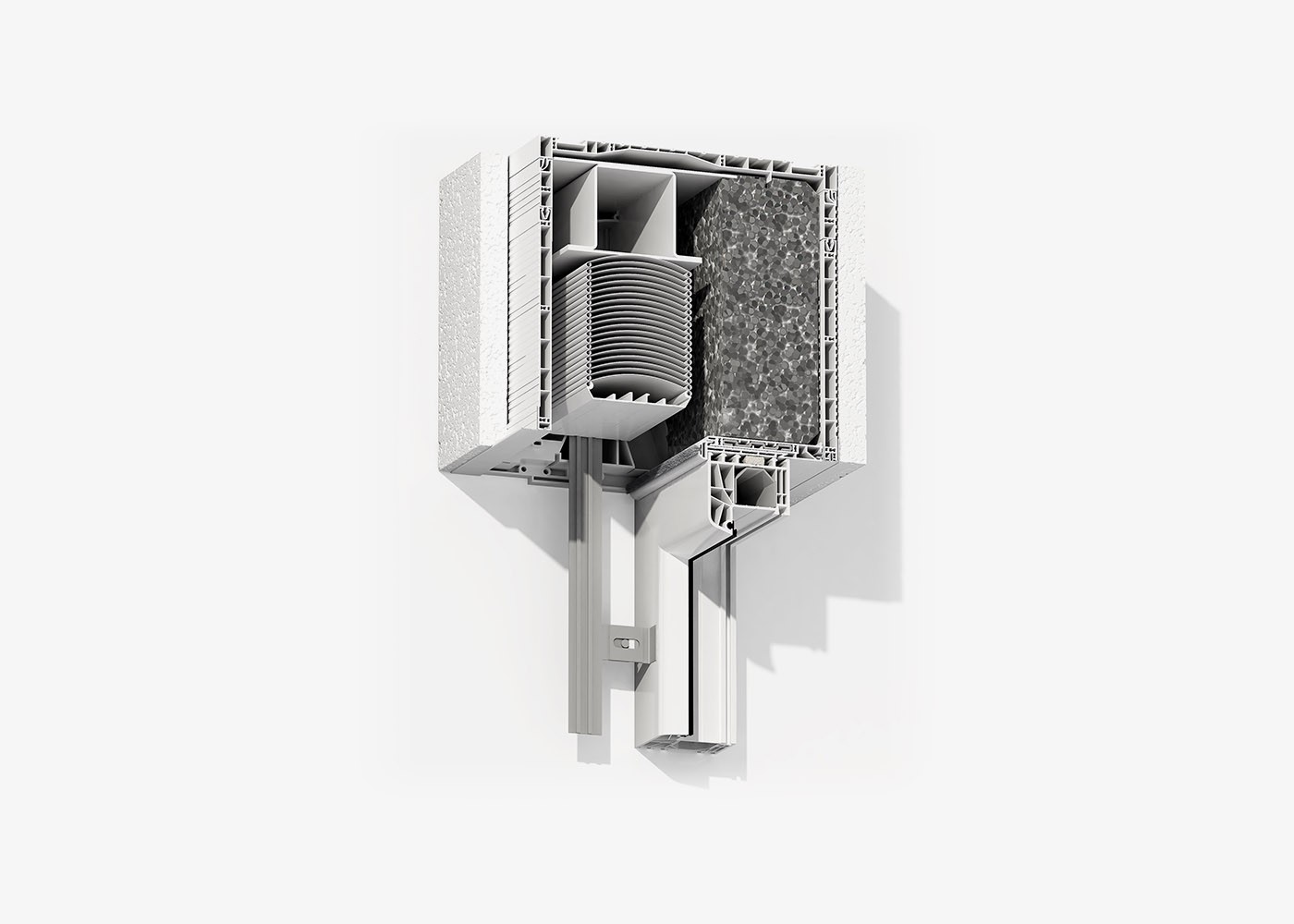
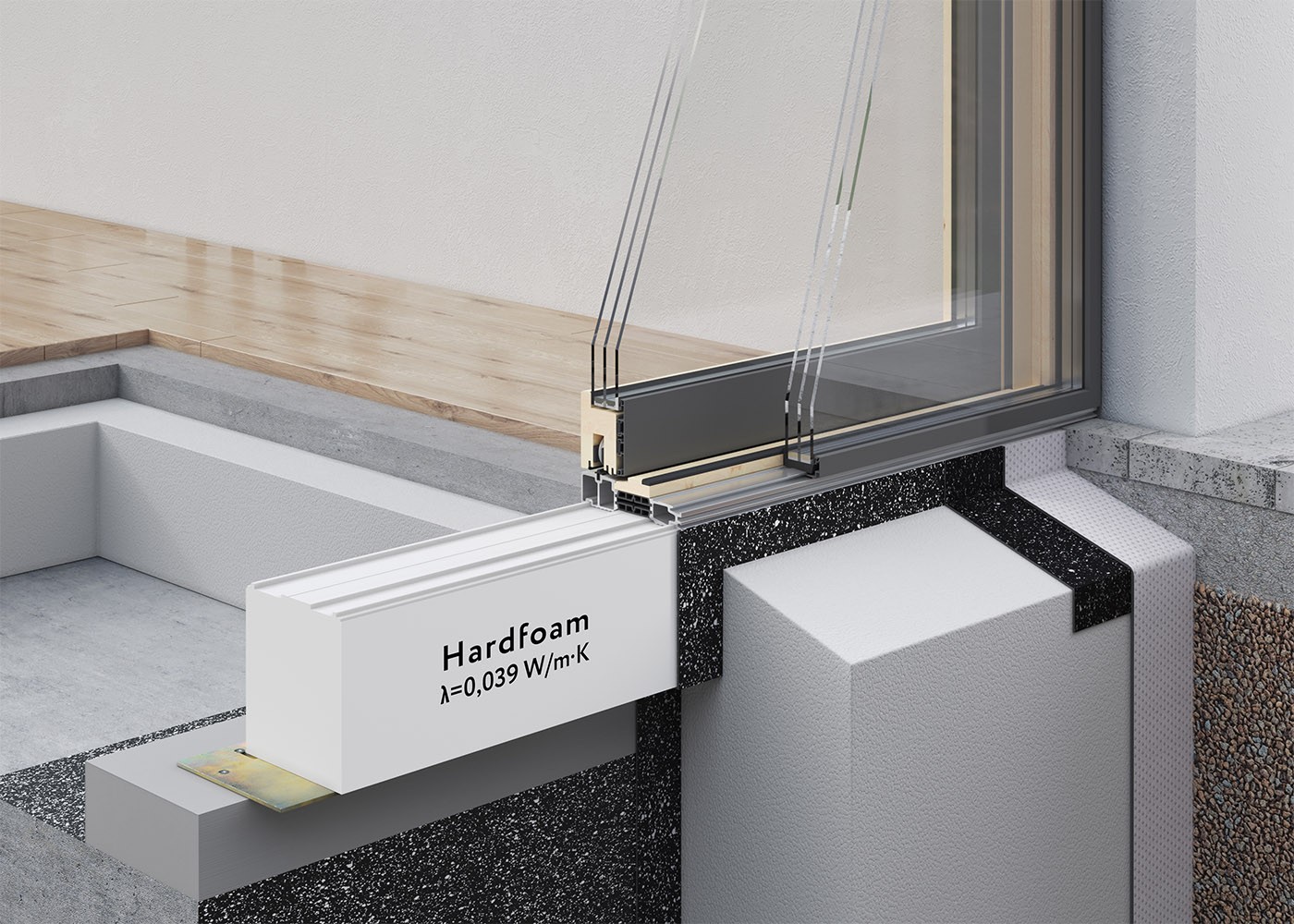
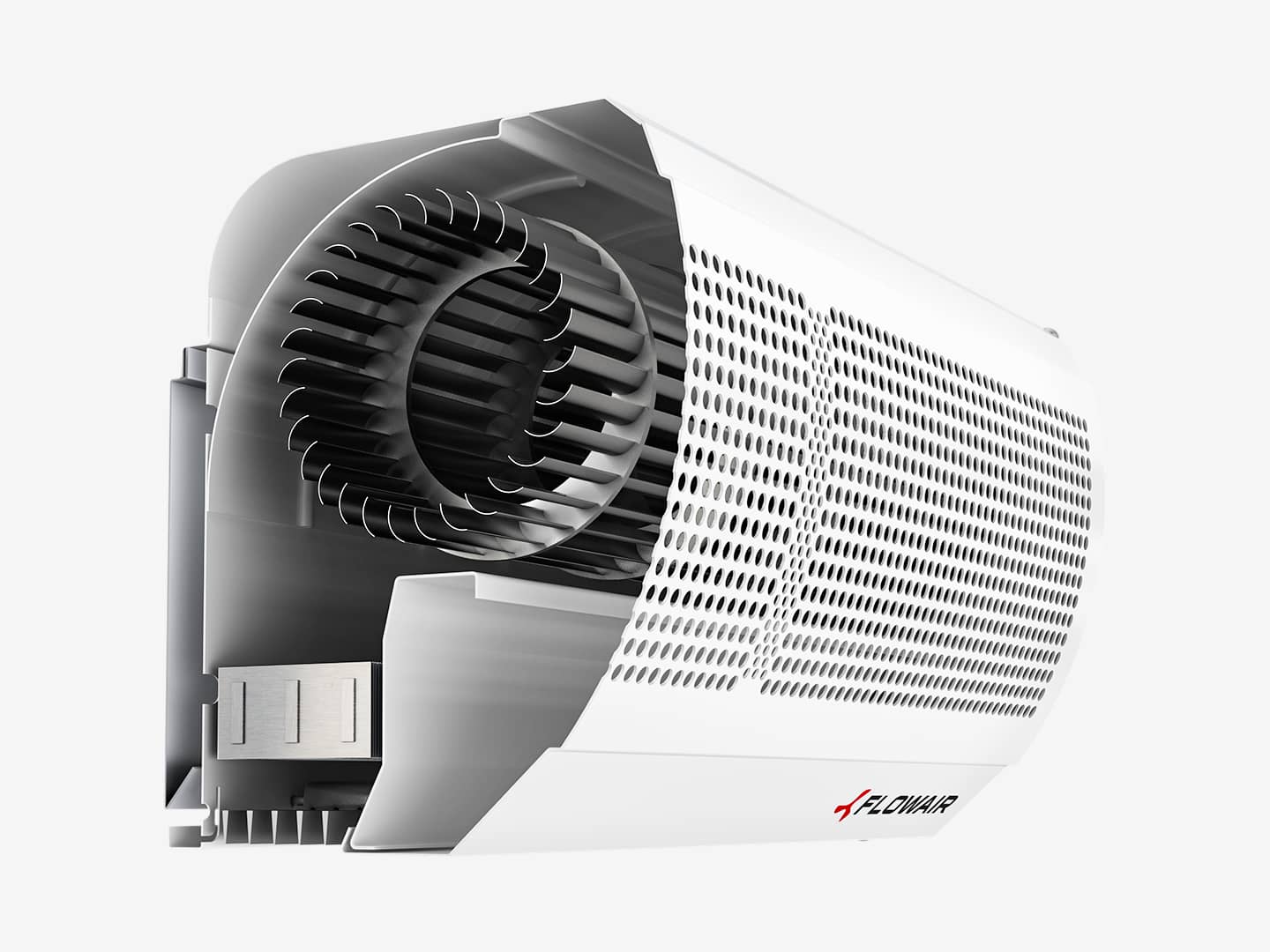
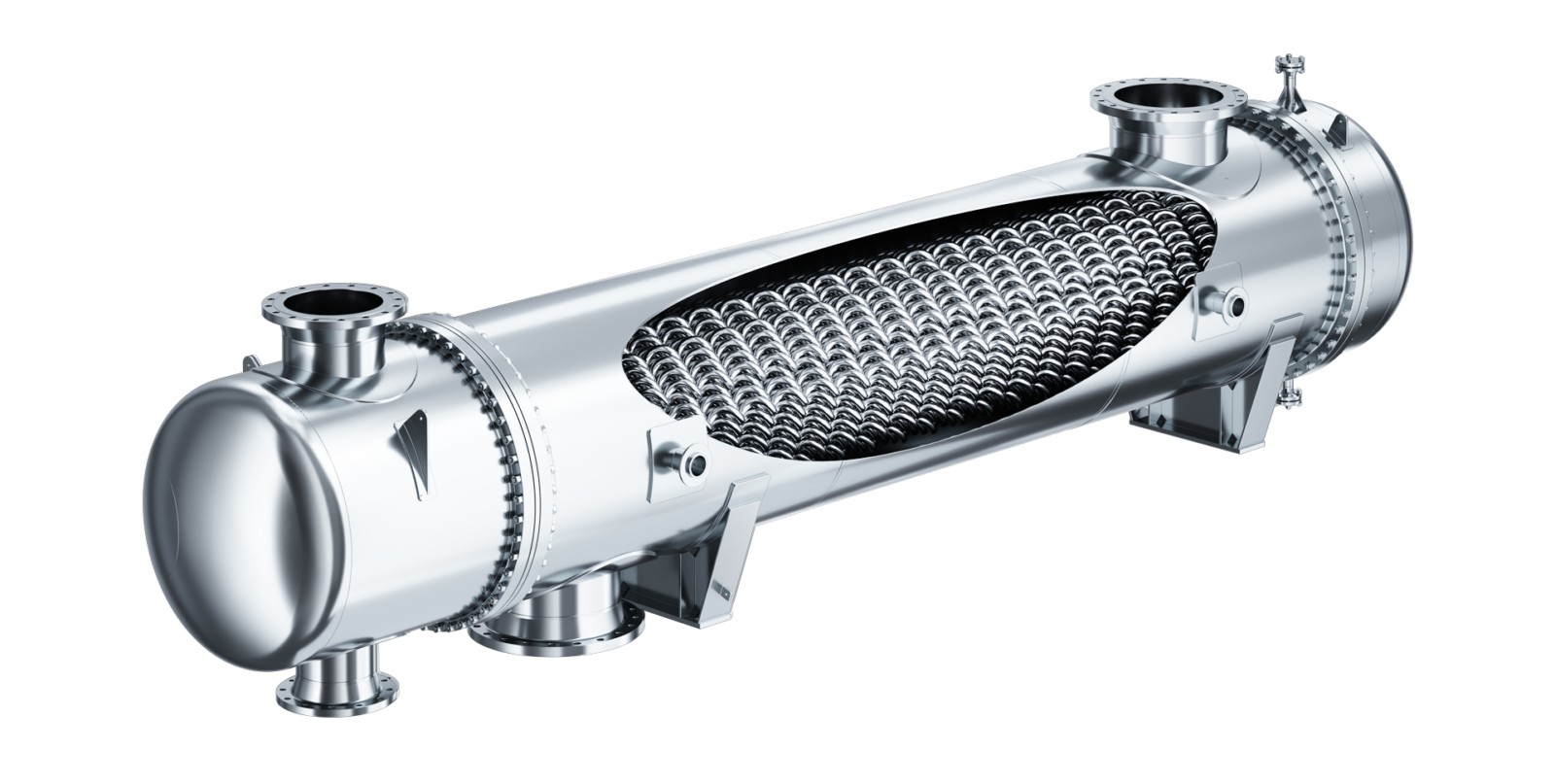
It lets us present a product in motion — its functions, how it’s assembled, or how it’s used in context, for example within an interior. An animation can reveal how an air filter works inside a device, or how a technological process unfolds, in detail, in slow motion, or in cross-section.
A clear, engaging and dynamic presentation makes the customer feel more confident before deciding. Fewer question marks = more conversions. If you want the numbers behind that — conversion, returns and order value, each with its source — see what companies actually gain from 3D.
Higher customer engagement
Video is one of the most effective forms of content marketing today, and 3D animation strengthens the effect further with its polish and modernity. People will happily watch a short, attractive clip when they’d never read a long technical description.
3D animation catches the eye, keeps a visitor on the page or in the feed, and encourages them to explore the offer further. The longer a customer spends with your brand, the higher the chance they buy.
It’s worth adding that the algorithms behind platforms like Facebook, Instagram and LinkedIn favour engaging video content. As a standout format, 3D animation helps you reach a wider audience — something we cover in depth in our guide to short 3D animation for social media.

A professional brand image
3D animation reads as a modern, professional way to communicate. It lends a brand credibility, builds a positive image, and underlines an innovative approach.
A high-quality 3D animation can become a company’s calling card. Customers often equate the quality of a presentation with the quality of the product. When an animation shows refined detail, precise operation and a polished finish, trust in the whole brand grows.
Support at the moment of decision
When a customer can view a product from every angle, understand how it works and picture the situations they’d use it in, they get a fuller sense of the offer. 3D animation supports an informed purchase decision. On a product page it works as a complement to photos and copy; it also fits email campaigns, sales presentations and landing pages.
Content like this doesn’t only lift conversions — it also reduces returns and complaints, because the customer knows exactly what they’re ordering.


Complex processes and devices, made simple
In many industries, the competition still relies on classic presentation methods. Introducing 3D animation can be a game changer — especially where a product is complex or genuinely new. Showing a product in a striking, distinctive way gives you a psychological edge: the customer feels they’re dealing with something exceptional.
Even the simplest product, presented in an interesting animated form, takes on a new dimension.
If you’re designing a new device — whatever your industry or technology — it’s worth showing it to the world as a visualization or a 3D animated film. In this form there are no creative limits, and an entire campaign can be built from CAD files, without a photo shoot, even before the first prototype is produced. See seven real examples from our work across different industries.
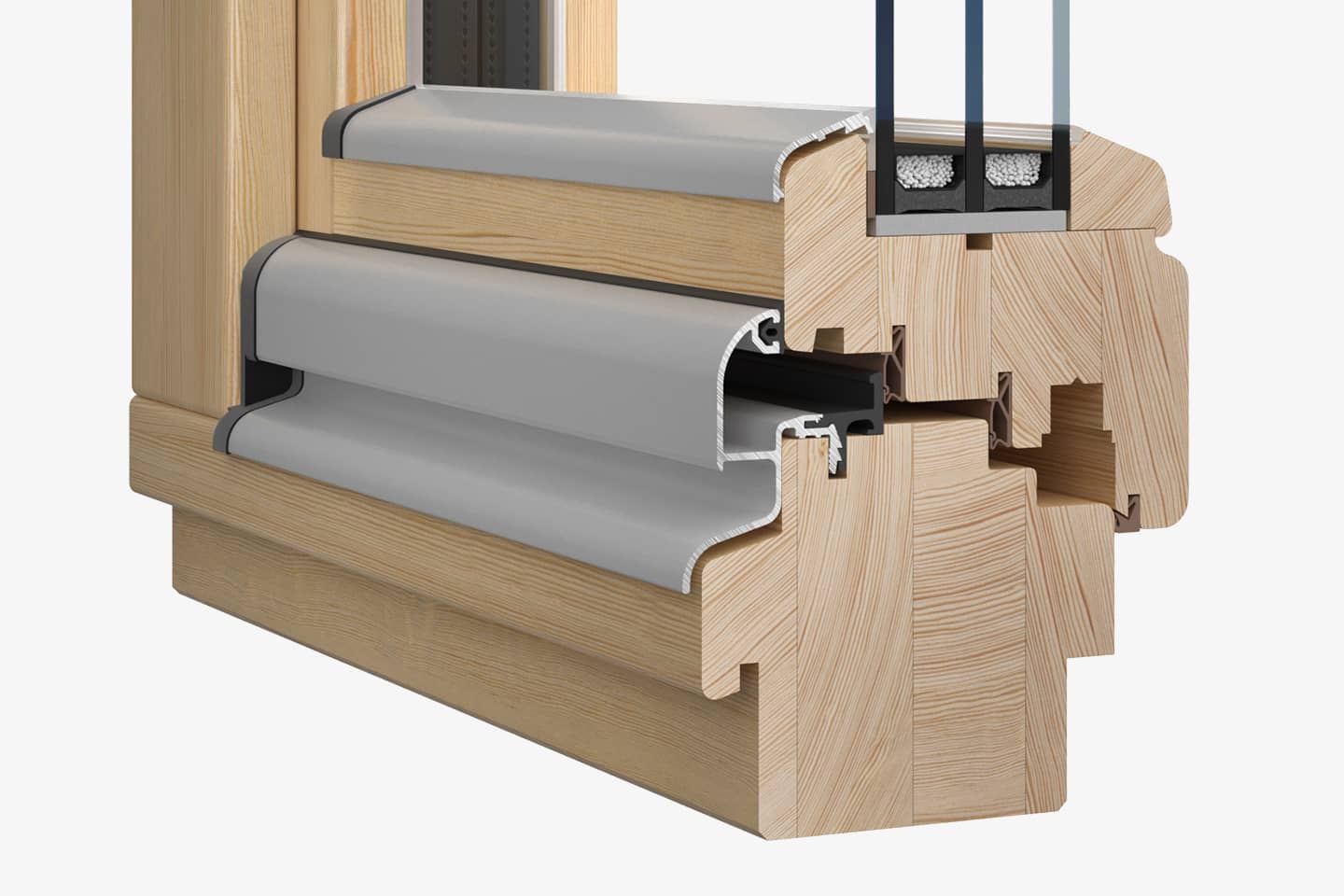
3D lets you look where a real camera can’t reach; with it you can explain how a product works, how it’s built, and why it’s worth choosing.
One model, every channel
A finished 3D animation can be used across many channels: from your website, through social media, to trade show presentations and client meetings.
It’s an investment that pays back many times over, because material built once can be adapted to different formats and marketing goals. What’s more, the animation can be edited later — for a change of colour, logo or product functionality.
That makes 3D animation a flexible tool that supports communication over the long term.
The benefits of using 3D animation and visualization in sales:
- A realistic, dynamic product presentation before the first prototype is built.
- Better understanding of how the product works and what it does.
- More engagement and more time spent with the brand.
- A professional, modern company image.
- An edge over competitors through an innovative approach.
- Versatility — one tool for many sales channels and video formats.
- Video is the most effective form of communication.
- Support for sales and marketing at every stage of the funnel.
3D animation isn’t just a technical novelty — it’s real support for sales and marketing. It helps you capture attention, explain complex processes, build a professional image, and help customers make confident purchase decisions.
If you want your offer to stand out, lift conversions and create content that makes an impression, 3D animation is a tool worth reaching for now.
Need help creating a professional 3D animation? Get in touch and see how we can help your brand grow.
Frequently asked questions
What exactly is 3D animation, and how does it differ from traditional video?
3D animation is the craft of creating moving images in a three-dimensional digital space, rather than filming a real object with a camera. That means you can show the inside of a product, any camera angle, and situations impossible to film — without a physical unit, even before the first prototype is produced. We explain more of the terms in our 3D glossary.
What are the main benefits of using 3D animation in marketing?
The most important are: better product understanding by the customer, higher engagement and longer time spent with the brand, a more professional company image, support for purchase decisions, and versatility — one model can be used across many formats and channels for years.
Which channels can 3D animation be used in?
The same material works on a website, in social media, in email campaigns, sales presentations, at trade shows and in printed materials. It’s one of the main advantages of 3D animation — a model built once works many times over.
Can 3D animation replace a product photo shoot?
Yes, and it’s often cheaper and more flexible. A campaign can be built from CAD files, without a photo shoot, even before the first physical prototype is produced — and changing a colour or a product detail takes seconds instead of repeating the whole session.
How does 3D animation affect customers' purchase decisions?
When a customer can view a product from every angle and understand how it works, they get a fuller picture of the offer and feel more confident before buying. Fewer question marks means more conversions — and content like this also reduces returns and complaints, because the customer knows exactly what they’re ordering.
Is 3D animation only worthwhile for complex products?
No — even the simplest product presented in an interesting animated form takes on a new dimension and stands out from competitors still relying on classic presentation methods. The biggest advantage, though, comes where a product is complex or its operation is hard to show in a photo.
How long can a single 3D animation be used?
It’s an investment that pays back many times over — material built once can be adapted to different formats and marketing goals for years, and when a colour, logo or product feature changes, the animation can be updated easily rather than rebuilt from scratch.
Where should I start if I want to commission a 3D animation for my company?
The best starting point is a short conversation about your goal and product — see also seven real examples of our work across different industries, and our pricing guide. Get in touch to discuss the details of your project.