

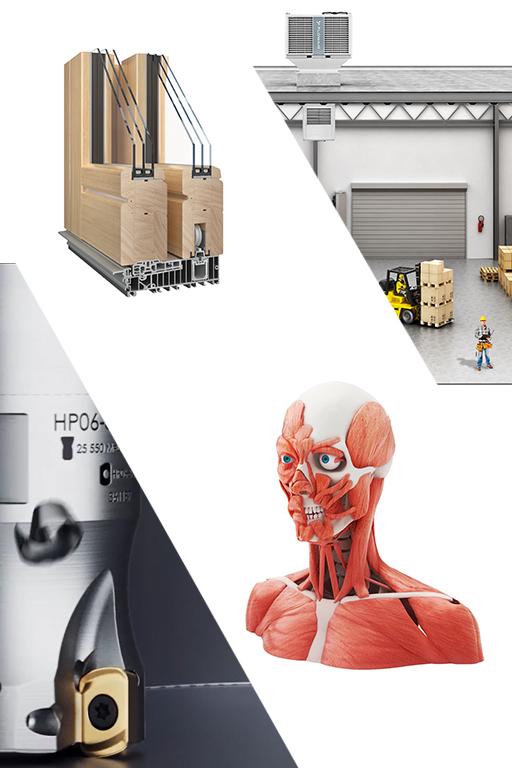
How a 3D Studio Helps Marketing: Seven Real Examples
How 3D graphics and animation support marketing and sales
8 real examples
Table of contents:
- 1. Sokółka windows — construction and benefits
- 2. Aviation — convincing investors of an invention
- 3. Automotive — components hidden under the bodywork
- 4. CNC tools — how complex processes work
- 5. HVAC — technological processes
- 6. Construction — products hidden inside the structure
- 7. Interior design — arrangement and rebranding
- 8. Medical products — procedures step by step
- Frequently asked questions
In promotion and marketing, is it enough to show a product nicely, say it’s good and affordable, and expect everyone to rush to buy it?
Everyone knows it isn’t. Unfortunately, it doesn’t work like that.
Especially in B2B, where the buying process usually splits into several stages (spotting the problem, searching for a solution, learning and checking what’s best on the market, and only at the end choosing a supplier and making the purchase). So it’s worth not only creating advertising material that shows a solution or product, but also supporting purchase decisions at every one of those stages, more broadly. This is where content that combines a purely advertising message with educational or training value becomes genuinely useful.
In this article you’ll find 8 examples of graphic projects from different fields that combine those functions.
From presenting everyday products, through technical and medical examples, to work that helped convince investors of a breakthrough idea set to revolutionize the aviation industry. I hope these examples prove useful and inspiring for content that supports your own marketing and sales too.
- Everyday products – window cross-sections
- Aviation – breakthrough inventions
- Automotive – what’s under the bodywork?
- CNC tools – how technical products work
- Technological processes – heat exchange and HVAC operation
- Construction – promoting solutions hidden from the camera
- 3D interior visualization and arrangement – rebranding and an office cross-section
- Medical animations – explainer video and training materials
1. SOKÓŁKA WINDOWS | How do you show the construction and benefits of an everyday product?
Everyone can see what’s behind a window, but what’s inside the window itself — how it’s built and why it’s an effective barrier against the cold — is far less obvious.
Sometimes it’s hard to explain a product’s advantages, or show the key features that come from its construction, without unscrewing it or cutting it in half.
But there’s a simpler way – a cross-section in animation, or a graphic visualization.
A graphic like that explains a product’s construction, layers and build simply, clearly and quickly — with no need to study any documentation.

The visualizations we had the chance to create for the Polish window manufacturer Sokółka were placed on their website. They help customers get to know the construction and different window variants.
That makes it easier to reach the right purchase decision and choose the best product for a home.
If you’re wondering how to present your product and its internal construction, it can certainly be done in 3D — without cutting it in half.
2. AVIATION | innovative ideas and inventions
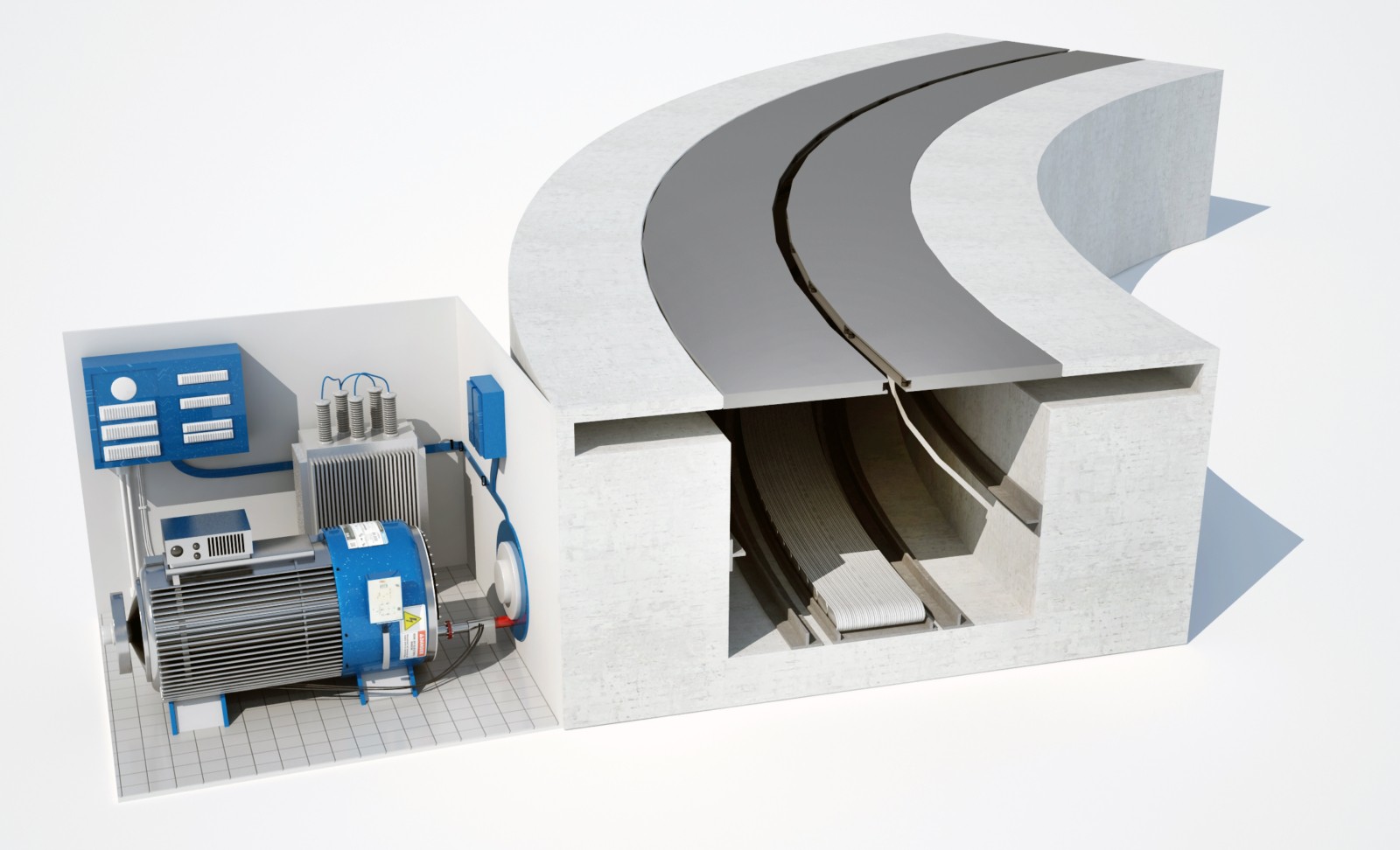
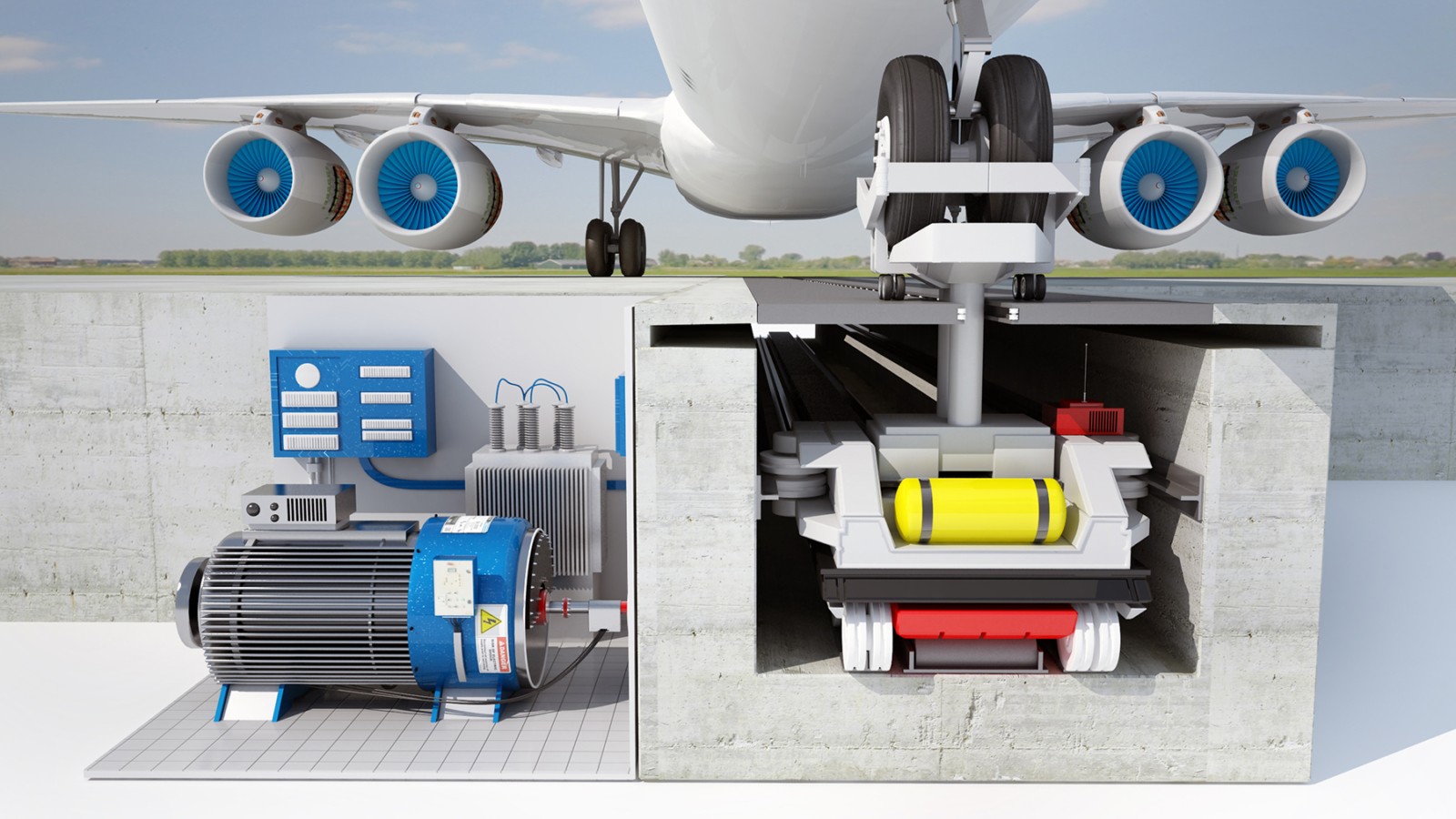
An aircraft towing system — or how 3D animation can convince investors to back a breakthrough invention.
In the context of engineering and design, 3D animation can be a highly effective tool for popularizing innovative inventions and convincing investors to make them happen.
One example is the story of Sławomir Malicki, an entrepreneur who in 2015 conceived and designed an autonomous towing system for passenger aircraft — an idea that could revolutionize the global aviation industry in the coming years.
Together with our team, we had the pleasure of preparing an animation presenting the system’s construction and operating principle.
The inventor presented his idea at the Air Fair aviation show in Le Bourget in 2015, and in later years at many industry meetings and conferences.
With a little help from the animation 😉 he managed to convince and spark the interest of investors in the USA. Work on building the first test towing system is currently under way at an airport in Oklahoma.
The full system installation will premiere soon. We’ve already seen unofficial photos from the build, and I have to admit it’s shaping up to be spectacular.
As soon as we can, we’ll share press materials showing the first system built.

3. AUTOMOTIVE | how do you show products hidden from the camera?
Innovative solutions and products — in the automotive industry, for example — are often invisible to the naked eye, hidden inside, under the bodywork or a housing.
Yet they’re an important part of a vehicle’s construction, and the innovative materials they’re made of bring a range of benefits to the whole car. Examples include EPP and EPS plastic components made by Knauf Industries Polska, found in many places in modern vehicles and playing key roles in passenger safety and comfort.

3D animation made it possible to show solutions hidden inside the structure, simply and clearly for the viewer, without wasting time on detailed descriptions of their functions or taking the vehicle apart 😉
4. TECHNICAL PRODUCTS | How do you explain complex processes and how tools work?
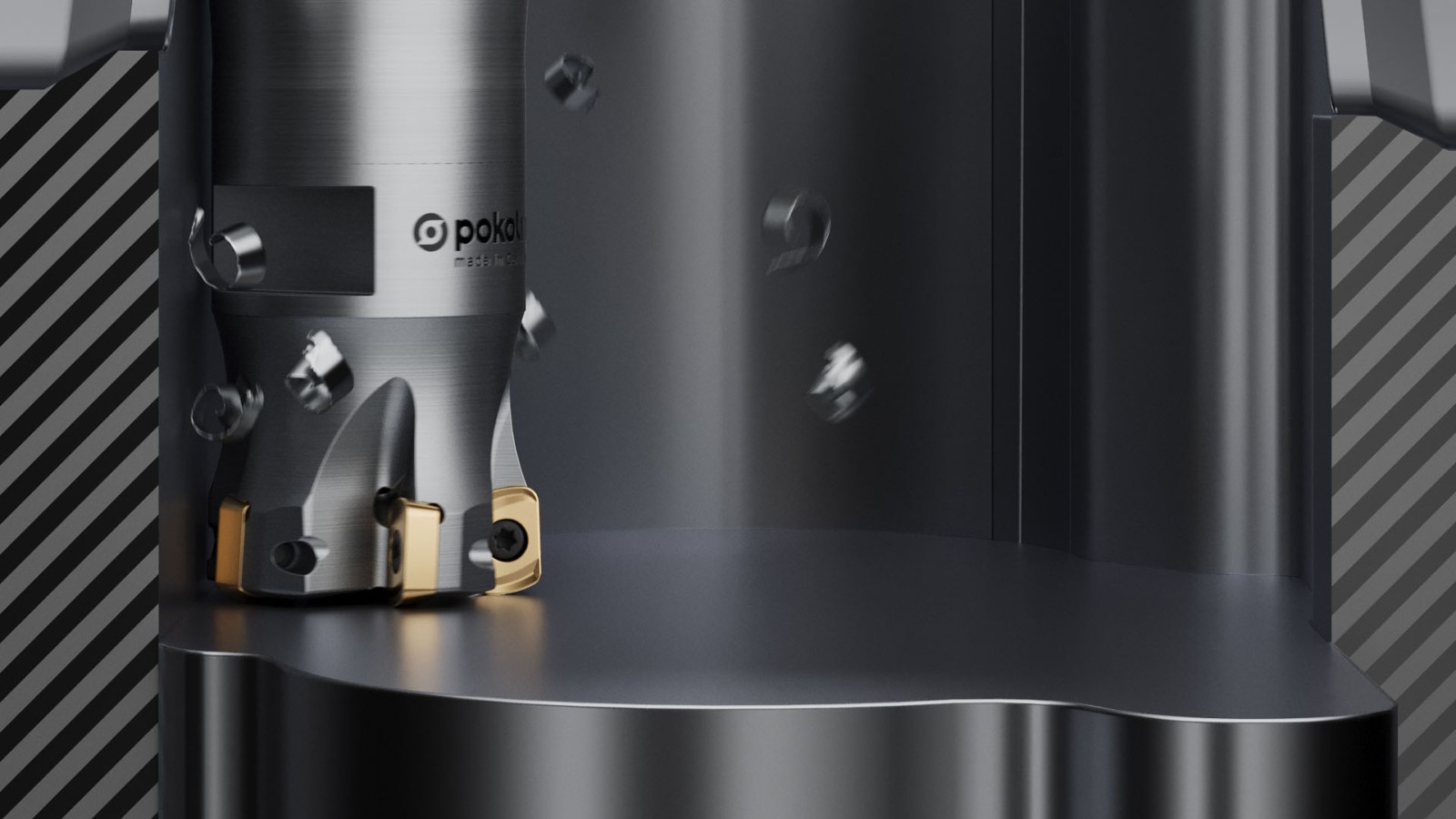
In CNC, milling machines produce swarf and often work with water coolant directed straight at the cutting tool. For safety, the whole cutting operation is usually enclosed in a space separated from the viewer and operator inside the CNC machine.
That makes filming or photographing the tools in action quite a difficult task.
With 3D graphics, however — in cross-section or slow motion — we can examine the workings of these specialist tools in detail.
The CNC tool manufacturer Pokolm Frästechnik GmbH & Co. KG made use of exactly this kind of creative support.

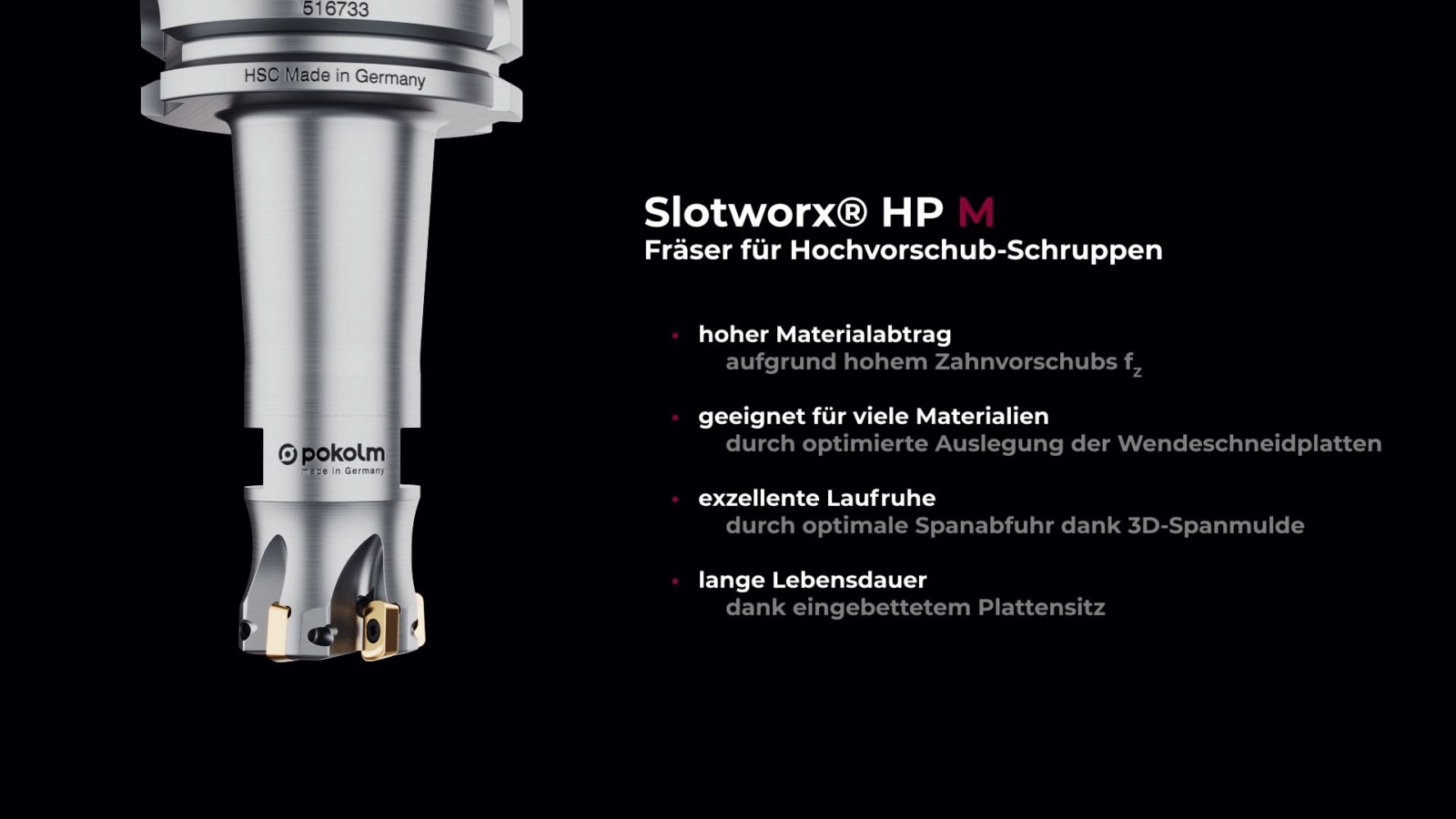
Whether you need to prepare training materials or advertising animations for CNC milling cutters,
or explain what the process looks like, showing it with computer graphics is a good idea.
You’ll find more examples of animation from technical fields here or on our dedicated page for the CNC industry.
5. TECHNOLOGICAL PROCESSES | heating, ventilation and air conditioning – HVAC
With graphics you can present processes, show functions, product construction and how whole systems of devices work.
In heating, ventilation and air conditioning — HVAC — the key thing is the process of airflow and air exchange. In this field of environmental engineering, it’s worth presenting not just the devices themselves, but also the heat-exchange processes and the use of different technological solutions.
It’s hard to show, in a photo or a film, a large-area hall with the roof removed and a whole range of technological solutions installed in different places.
In 3D – no problem.
Animations like this make it possible to create training materials that explain a process quickly and clearly,
show how devices are built, or present their functions and advantages in the place where they’re used.
You’ll find more examples from this field here: 3D content for HVAC
6. CONSTRUCTION | Animation lets you show and advertise building products hidden under foundations or inside structures.
Building products are often hidden under the facade, under the floor, in the foundations. You could of course rip up floorboards, dig holes and expose the roof sheathing to show where, say, insulation materials sit.
You could. But we don’t recommend that route.
It’s easier, more striking and certainly cheaper to show such products in a building cross-section animation.
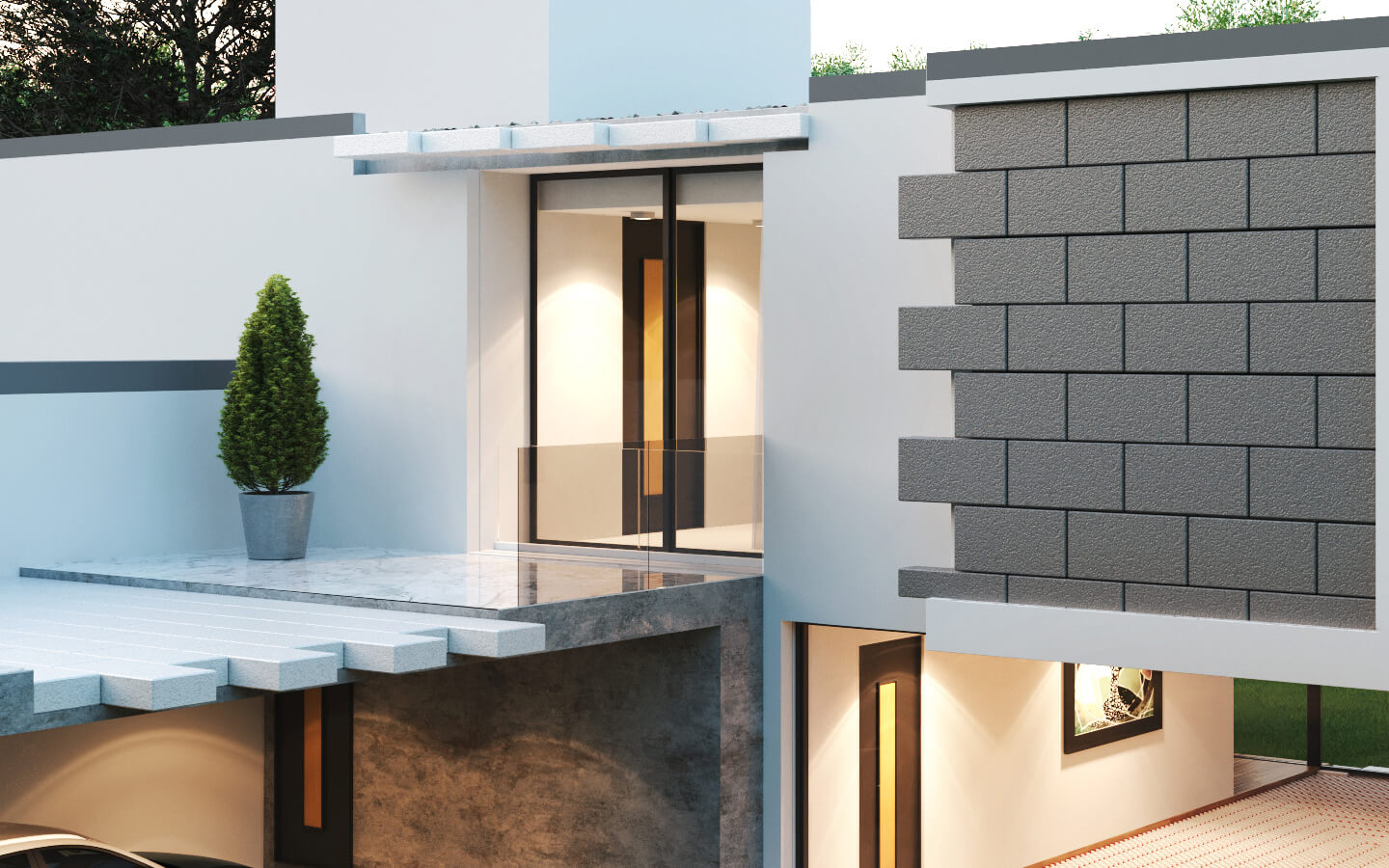
This approach lets you focus on the product, showing its use and functions throughout the whole building in a clear, attention-grabbing way. The insulation-materials manufacturer Knauf made use of this solution and our help.
The building animation we prepared shows, accessibly and clearly, where insulation products are used in construction and what types there are.
7. INTERIOR DESIGN AND ARRANGEMENT | 3D is a good idea if you’re planning a new office, or changes and rebranding in your current one.
If you want to design interiors, a room layout, a space arrangement or new branding, it can all be done as graphics and shown vividly and realistically in a visualization.
You’ll design and see every space this way before implementing any changes.
Graphics and visualizations like these can then become the basis for realizing the chosen concept.
And to make the presentation more interesting and give it architectural context, you can easily show a building cross-section and a whole floor too.
That’s exactly how the animation for the rebrand of the Bacardi-Martini office in Warsaw came about.
8. MEDICAL PRODUCTS | in 3D you can show a medical procedure or how tools are used — step by step
3D graphics help explain medical procedures and show products in detail, in training materials and promotional work.
Medical processes on video are usually neither appealing nor pleasant for the viewer. So when you need to show a process or product in detail, we suggest… you’ll never guess…
3D, of course.
Using cross-sections, transparency or slow-motion shots gives wide scope to focus attention on the most important processes or devices.
This way you can show places inaccessible to a camera, explain how tools work, or walk through the correct use of specialist procedural instruments step by step.
It’s ideal support during training for professionals.
Thanks to animation, we can see complex procedures without having to show the real thing.
Simply – in a clear and engaging way, and without spilling a single drop of blood.

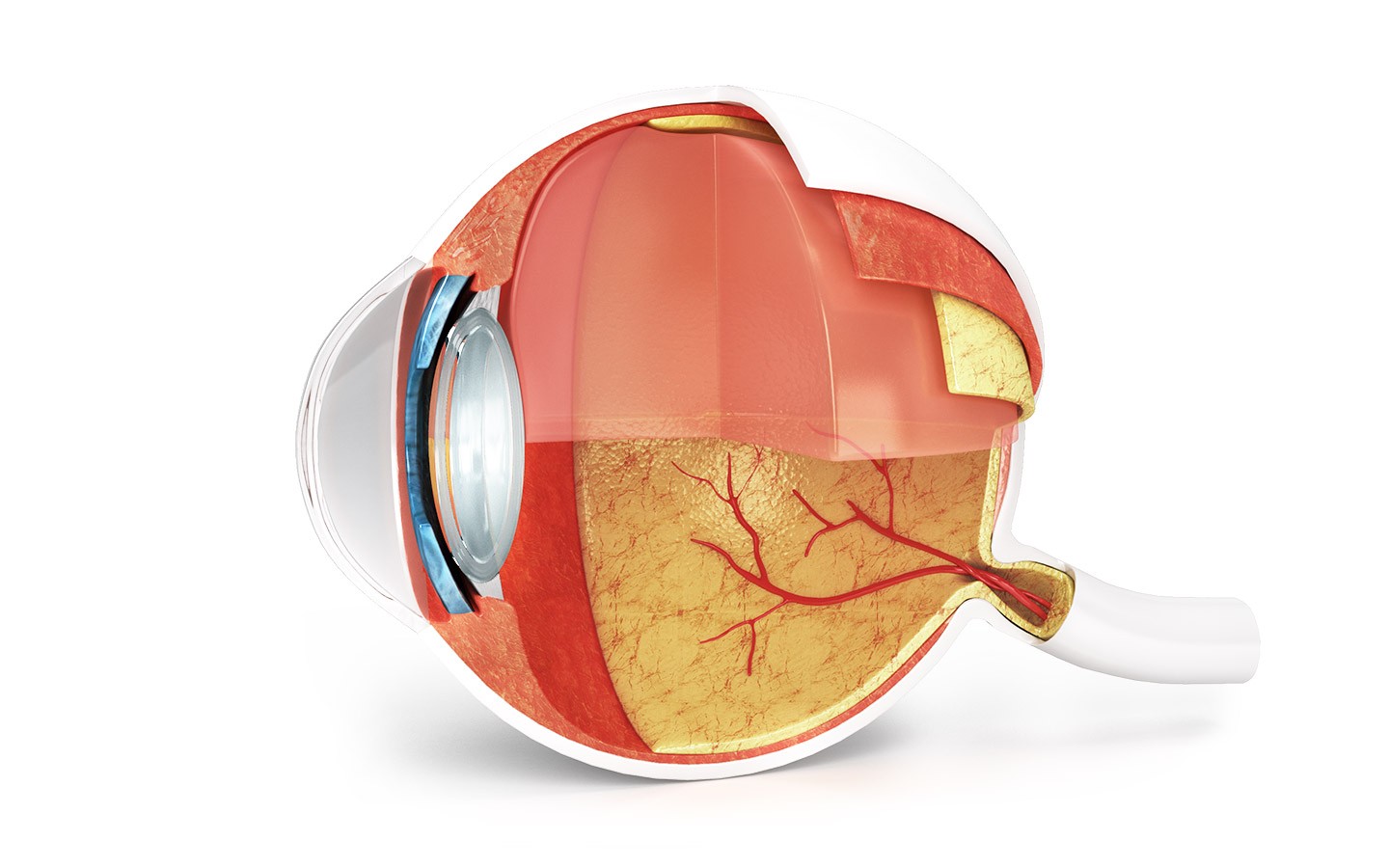
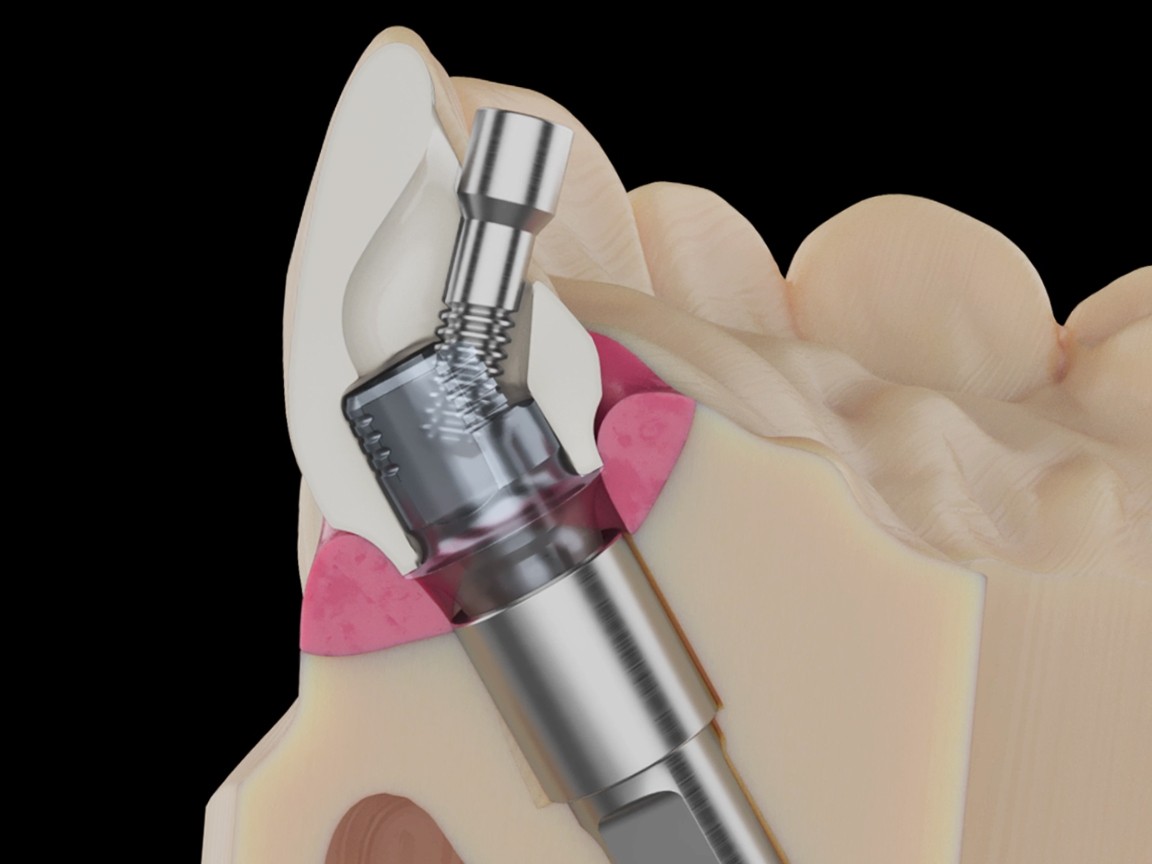
If this kind of support from a 3D animation studio could be useful for your work too, let us know.
We’d be glad to talk through ideas and the ways we could prepare your products like this.
Frequently asked questions
Which industries and products work best in 3D animation?
Animation works best where a product is complex, hidden from the camera, or hard to photograph: CNC and cutting tools, HVAC and heat exchangers, automotive (components under the bodywork), medtech, building materials hidden in the structure, and everyday products with complex construction (e.g. windows). See our dedicated work: technical animation, medtech, and the full 3D studio.
How did 3D animation help Sokółka present the construction of its windows?
The visualizations showed the cross-section and construction of the windows without physically taking them apart — customers could see the layers of the structure and understand why the product effectively protects against the cold, which made it easier to reach an informed purchase decision.
Can 3D animation help convince investors of an innovative invention?
Yes — a good example is the passenger-aircraft towing system designed by a Polish inventor. A 3D animation showing the system’s construction and operating principle helped present the idea at an aviation show and interest investors, even though the physical prototype didn’t yet exist.
How do you show components hidden under a car's bodywork or inside a CNC machine?
3D animation allows a cross-section, slow motion and any camera angle — something you can’t achieve with traditional filming, especially when the mechanism works in an enclosed space that’s dangerous for the operator (like a CNC cutter with coolant) or is physically invisible (like EPP components under a car’s bodywork).
Does 3D animation work in training materials for the medical industry?
Yes, especially where a traditional recording of a medical procedure isn’t appealing or practical to show. 3D animation lets you explain the operation of procedural tools and the course of procedures step by step, without showing the real procedure — proven support for professional training.
What does preparing a building cross-section animation for construction involve?
A building cross-section animation lets you show materials and solutions hidden under the facade, floor or in the foundations — without ripping up floorboards or digging holes. It’s a solution used by insulation-materials manufacturer Knauf, among others, to present where products are used throughout a building’s structure.
Does 3D visualization help with designing and rebranding office interiors?
Yes — visualization lets you design and see a room layout, space arrangement or new branding before implementing any changes. We prepared such an animation for the rebrand of the Bacardi-Martini office in Warsaw, showing a building cross-section and a whole floor for better architectural context.
How long does a company 3D case-study animation take, and how much does it cost?
It depends on the product’s complexity and the number of shots — you’ll find a detailed guide to pricing and process in our articles: 3D visualization cost and how a 3D animation is made. A ballpark quote is always free.