How do you convince investors to back a system that can’t be photographed because it doesn’t physically exist yet? For inventor Slawomir Malicki, a 3D animation aircraft towing system became the proof of concept that helped secure US funding — and years later, the test prototype built at an airport in Oklahoma turned out to match exactly what the animation had shown. It’s the material that made an ambitious idea credible, before a single piece of infrastructure existed.


Client: ATS World Wide LLC (Aircraft Towing Systems) — inventor Slawomir Malicki
Scope: 3D modeling, animation, technical visualizations, patent-filing graphics
Industry: Aviation / GSE (ground support equipment) / innovation
Technique: 3D animation as an investor pitch tool and patent documentation
Application: Investor presentations · patent filing in over a dozen countries · PR materials
Visuals delivered: Main animation · printed visualization series · patent sketch graphics
INNOVATION, 3D FOR AVIATION INDUSTRY | ATS
This is about how to build an automated passenger aircraft towing system in not-so-simple steps.
A few years ago, we were approached by Mr Slawomir Malicki, a Polish entrepreneur. At our first meeting, in conversation, Mr. Slawek presented his idea and asked us to prepare a 3D animation to convince investors to realize a rather unconventional and innovative invention.
At first, the concept seemed somewhat unrealistic – an autonomous system to tow passenger aircraft at airports. Building underground duct infrastructure, holding up traffic, and rebuilding airports on a grand scale… sounds unrealistic from a logistical point of view and is undoubtedly difficult to implement and incredibly expensive. When you add an automated IT system for organizing and controlling traffic during the taxiing phase, the invention sounds almost like a futuristic vision straight out of a science fiction movie.
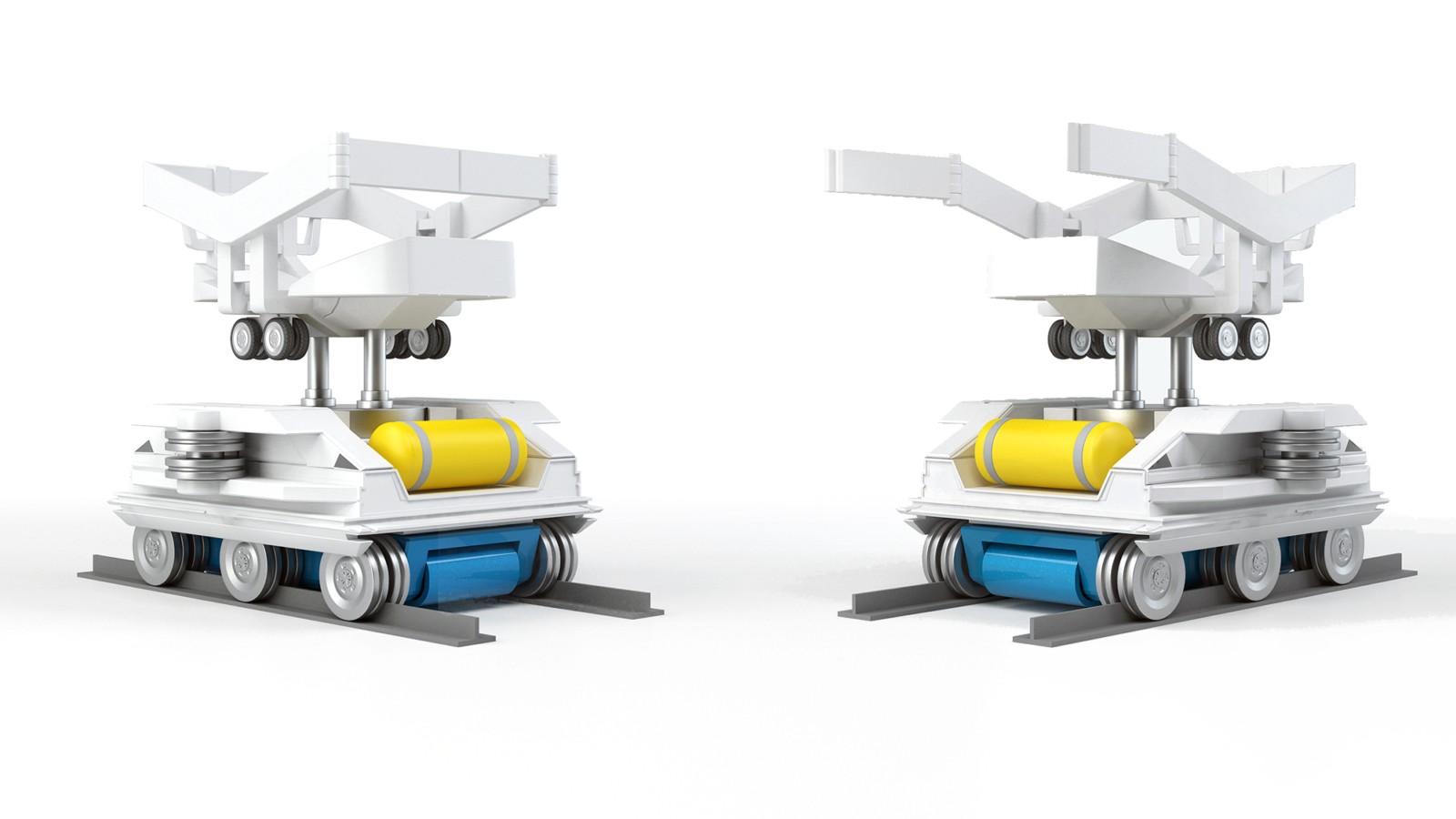
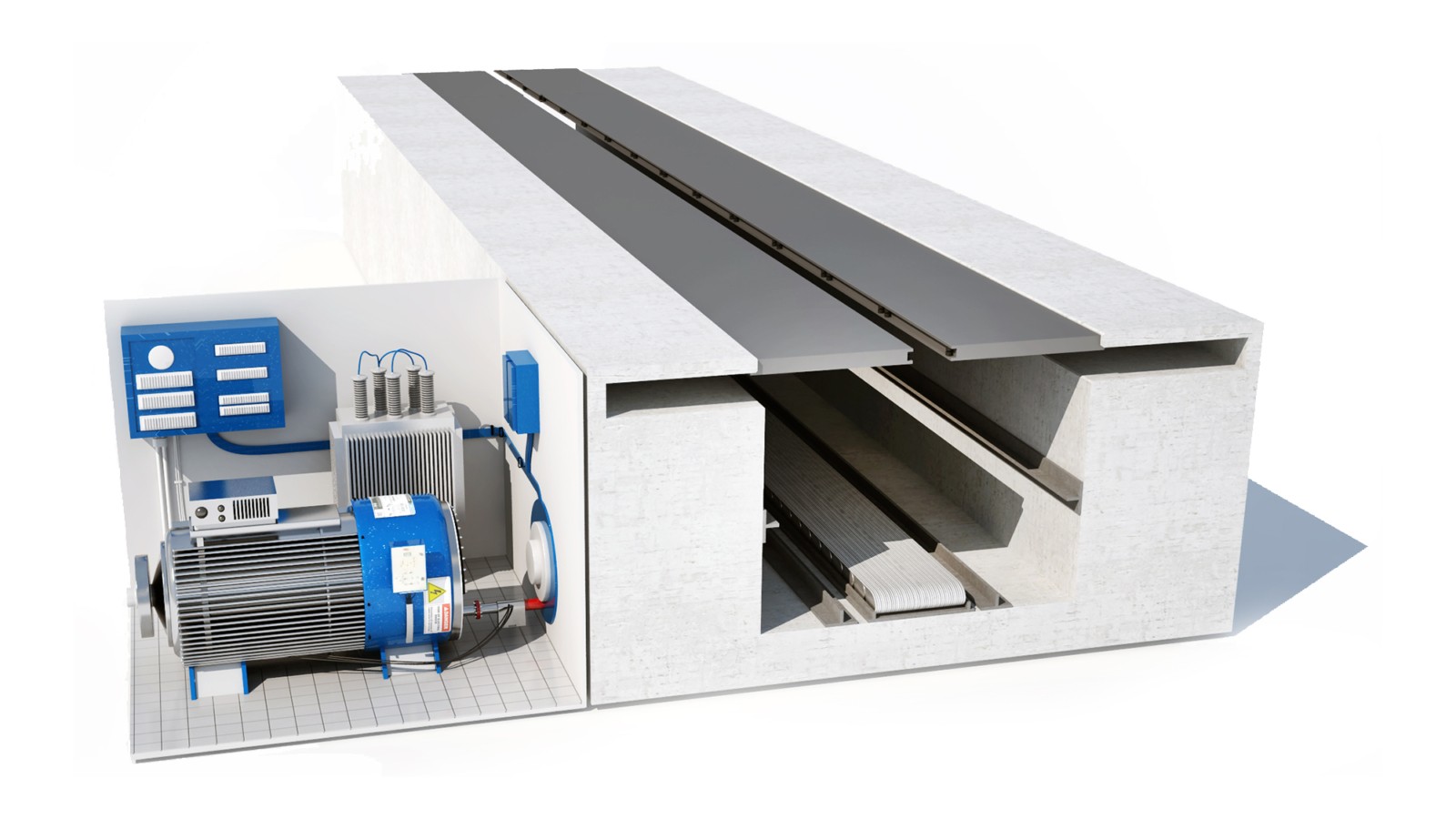
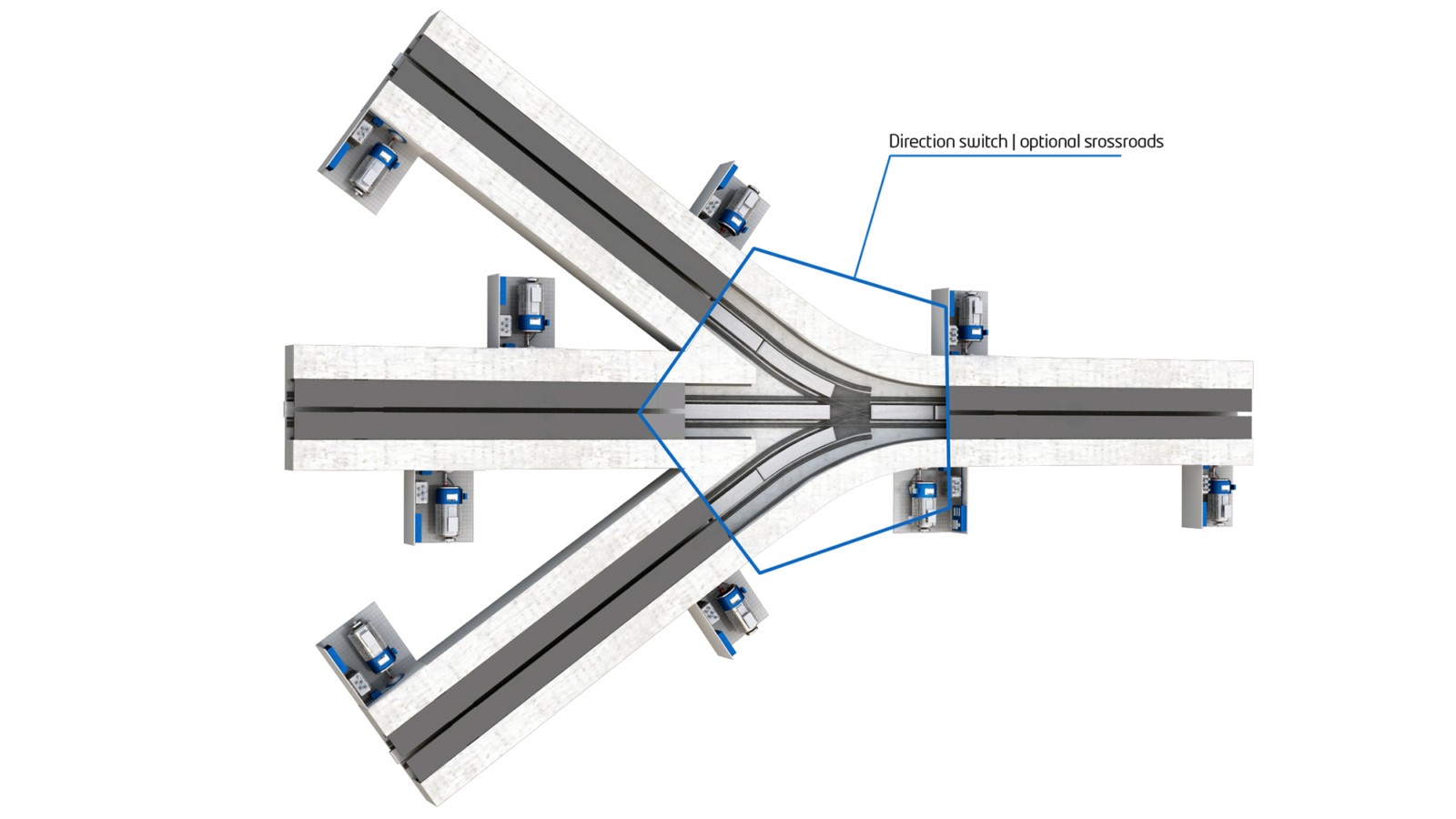
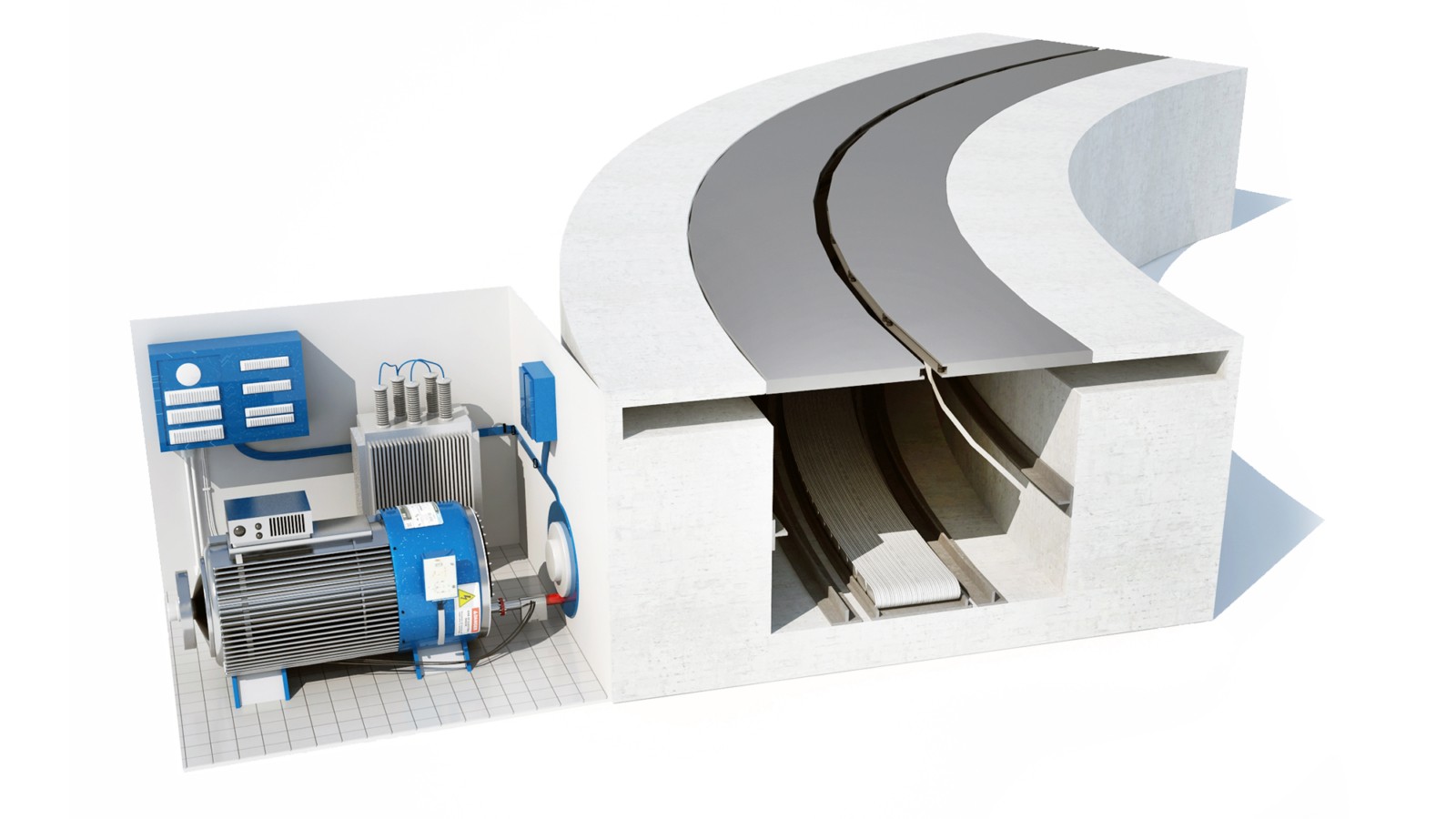
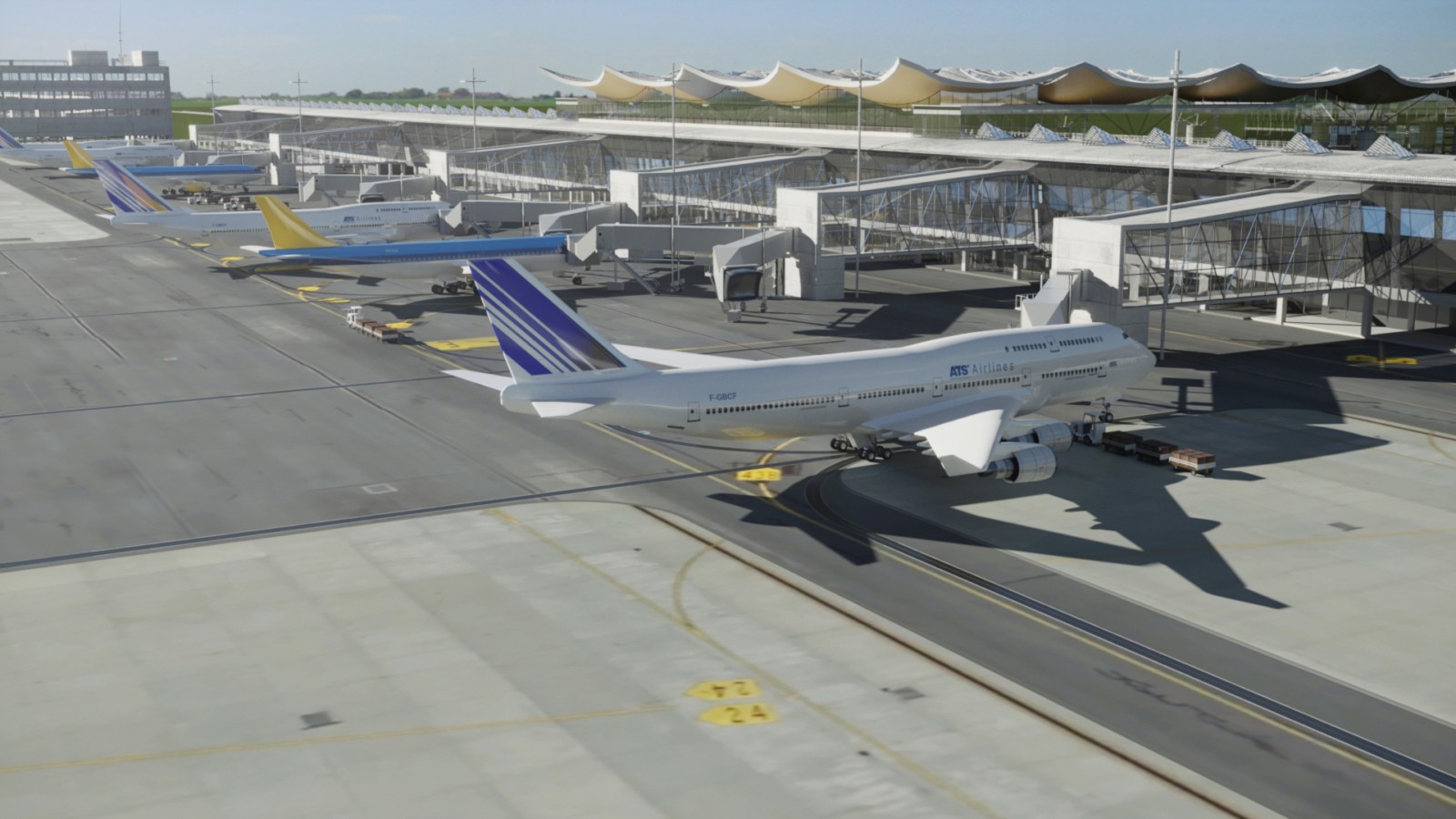
OK, it may be unrealistic and difficult to implement in reality, but why not show such an idea in animation? Anything can be done in 3D 😉We at Modelight are mainly engineers, so it was with all the more commitment and curiosity that we decided to take up the challenge, help the inventor, and prepare an animation showing a groundbreaking idea for the aerospace industry. That’s how the 3D animation aircraft towing system was born — the material meant to persuade investors before the prototype ever reached the tarmac. According to the plans, drawings, and many consultations with the inventor, we made 3D models and animation.
—
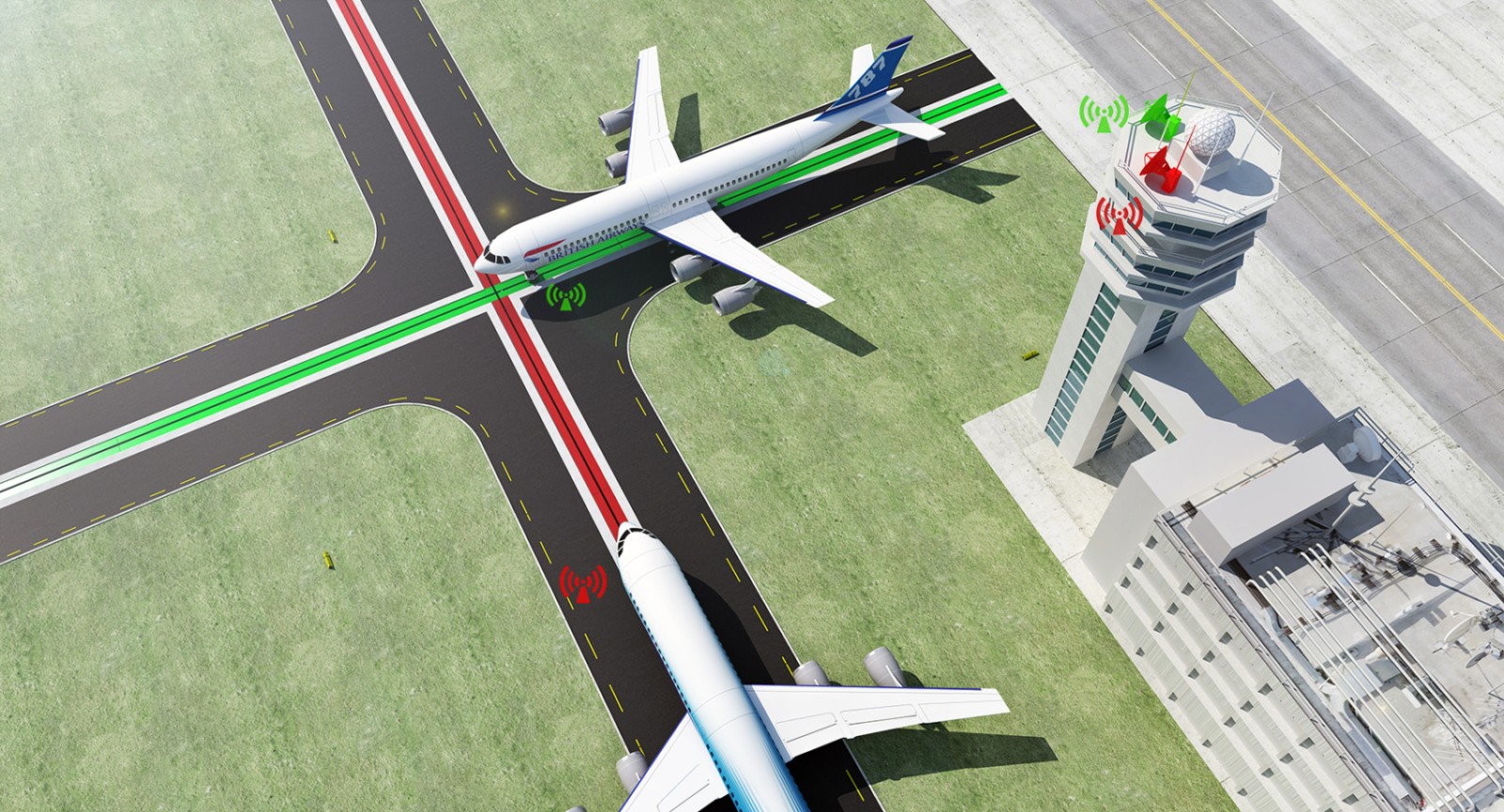
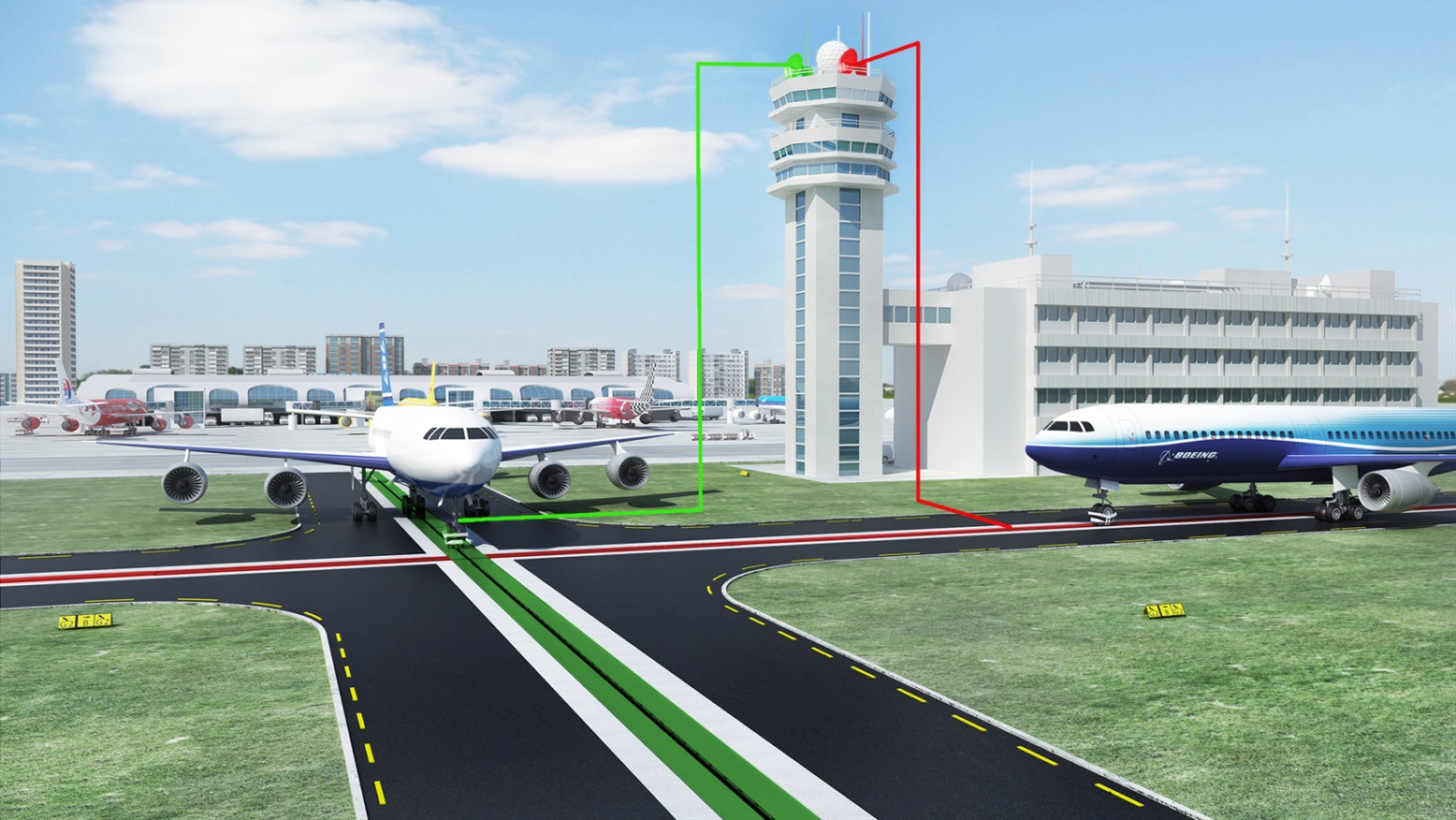
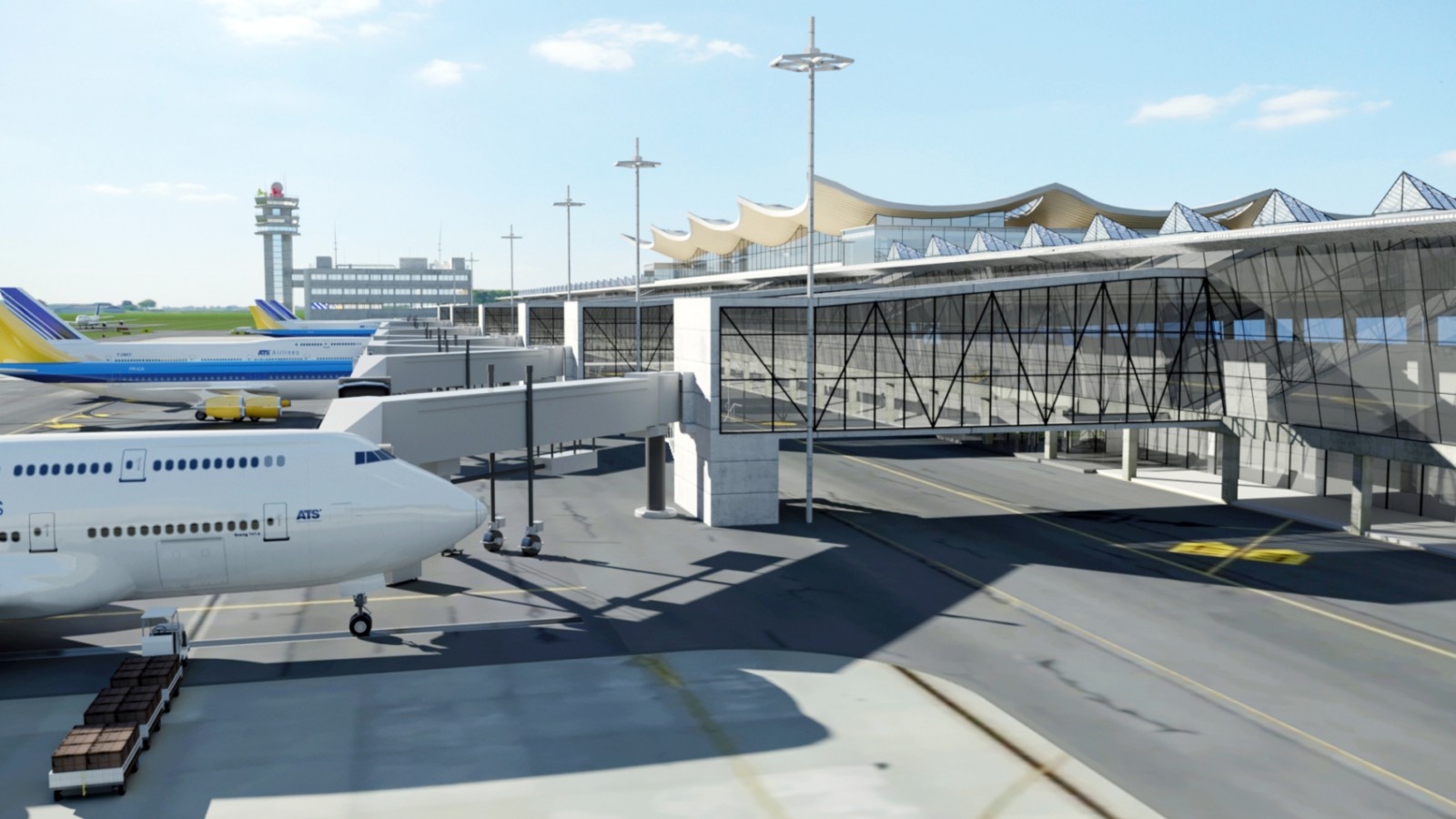
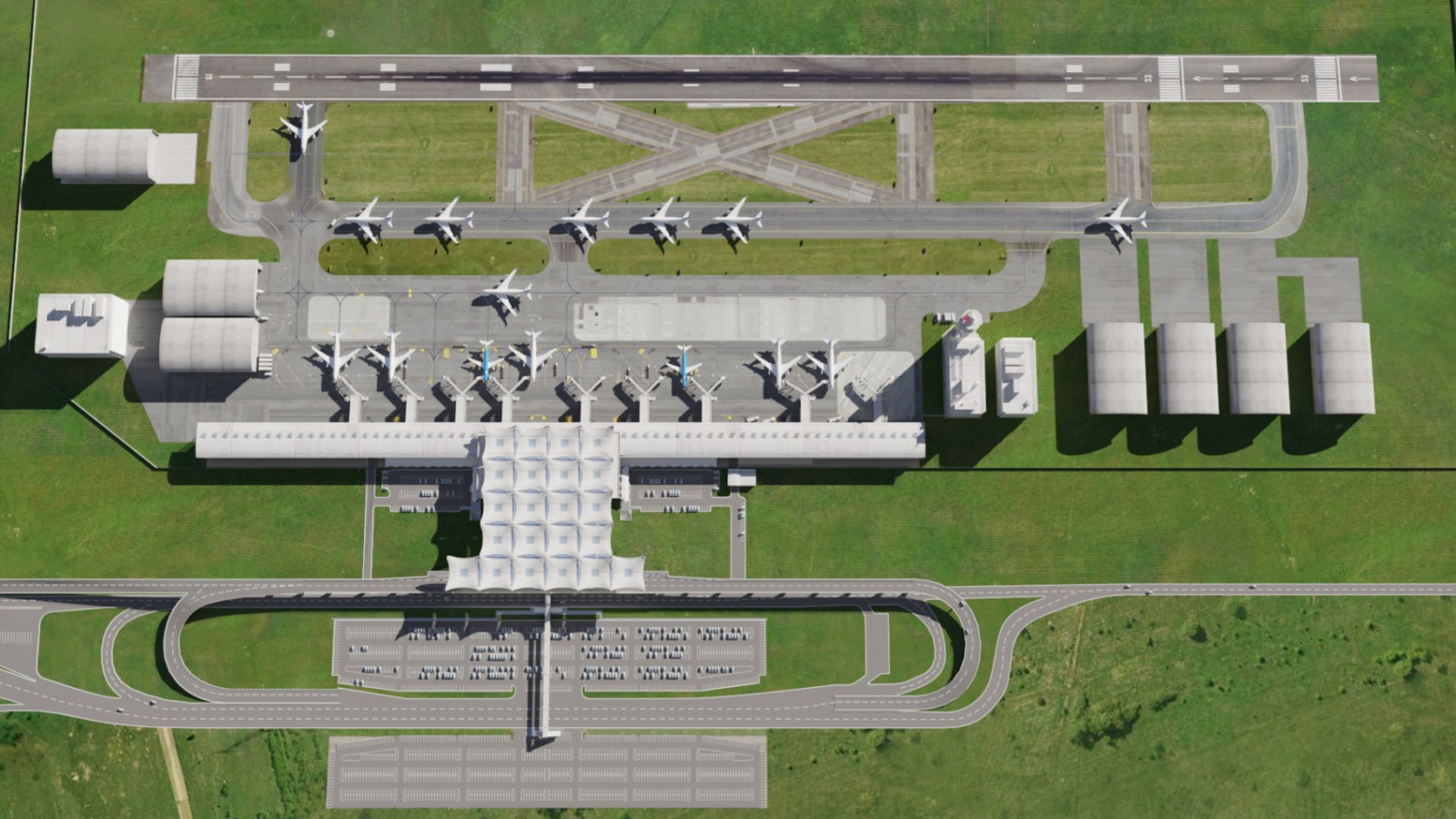
Our team created visuals for marketing materials, sketch graphics and technical solutions for a patented invention that showcases the concept from both the construction and proposal perspective. The towing system has been patented in over a dozen countries and is currently being constructed at a test airport in the USA.
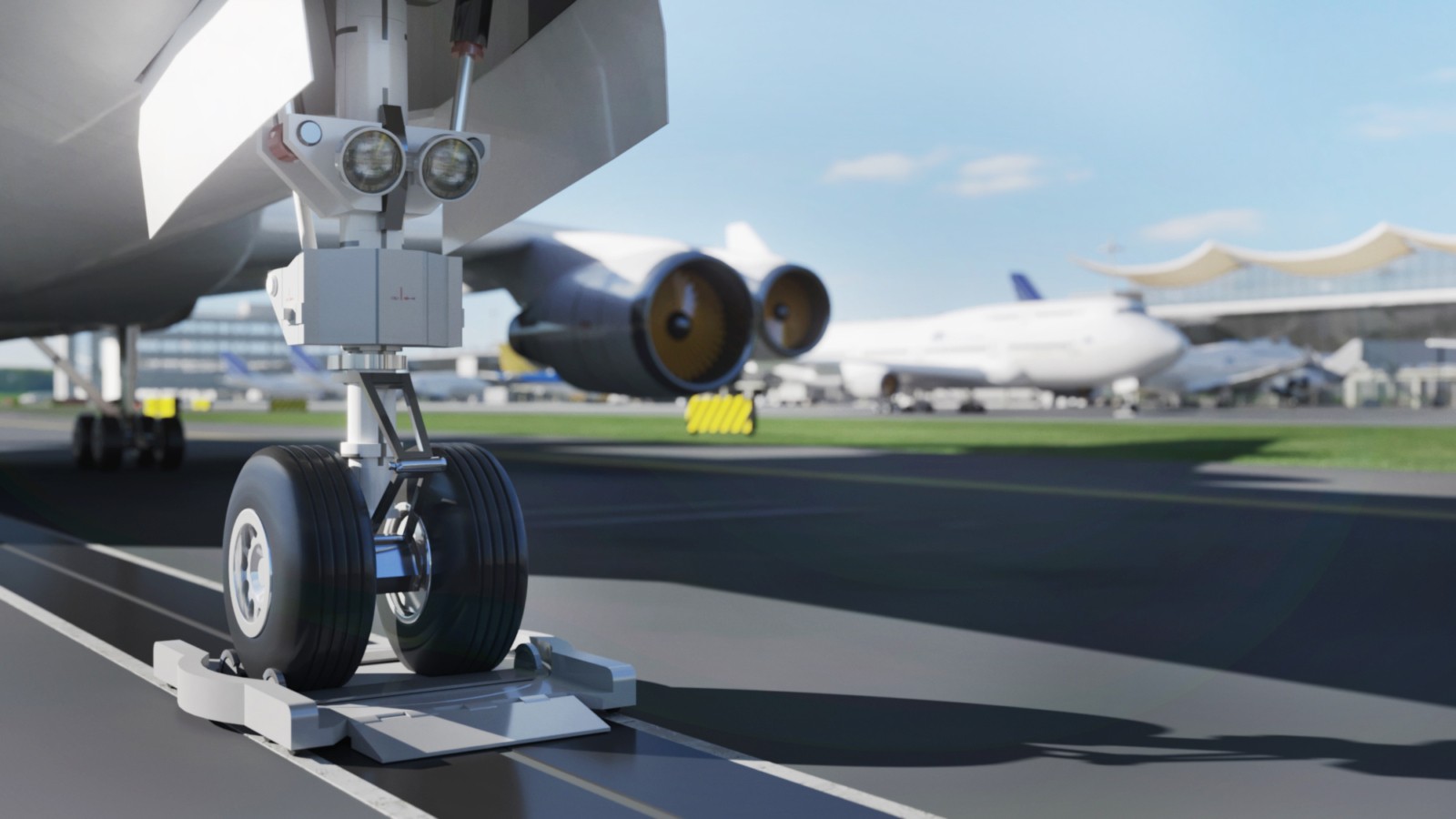
Although the inventor, Mr. Malicki, has not received much interest in his idea in Poland, he was able to convince investors in the USA with a little help of our animations ;-). Thus, it turned out that the idea had become viable for implementation in more than just virtual reality in 3d. The first test towing system is currently being built at an airport in the state of Oklahoma. We have seen the initial construction pictures and it looks spectacular.



—
Installation of the entire system is expected to take place soon. Mr Slawomir has promised to keep us updated after the world premiere. We will share photos and videos of the actual system as soon as possible, it will be exciting to compare them with the plans and our 3D animation. We are keeping our fingers crossed for the successful implementation of the idea at other airports, as this project has the potential to revolutionize the aviation market and make airport maneuvers safer.
If you have any groundbreaking technological ideas or want to attract investors to your concept, let us know.
We would be more than happy to discuss how to present your idea in 3D.
Also, for those who are interested, below are links to ATS website and press articles describing the topic:
www.ats.com
eu.oklahoman.com/story/business/
www.okcommerce.gov
www.pr.com


—
An automated passenger aircraft towing system is an investment that requires rebuilding airport infrastructure — underground channels, a traffic-control layer, integration with existing taxiing procedures. Before anyone commits capital to a project like that, they need to see it work. The problem: no physical prototype existed yet. The only proof of Slawomir Malicki’s concept was engineering drawings, a series of consultations, and a vision in his head.
Working from those drawings and consultations, we built accurate 3D models and an animation showing the system step by step — from the dolly attaching to the nose gear, through the underground channel, to release at the runway. The same model also produced a series of printed visuals and patent sketch graphics that became part of the patent filing in over a dozen countries.
Frequently asked questions
What is the ATS system, and what role did 3D animation play?
ATS (Aircraft Towing Systems) is an automated system for towing passenger aircraft, invented by Slawomir Malicki. The 3D animation showed how the system would work before a physical prototype existed — it helped convince investors the concept was feasible and became part of the patent documentation.
Can a 3D animation serve as documentation for a patent filing?
Yes. In this project, a single 3D model produced not just the animation but also a series of sketch graphics and technical visuals that became part of the patent filing in more than a dozen countries.
How long does it take to produce a 3D animation of infrastructure that doesn't exist yet?
It depends on the complexity of the concept and how many consultation rounds are needed with the inventor or engineers. Concept drawings and conversations explaining how the system works are the starting point — from there, we build the 3D models and animation step by step.
Do you need finished CAD files to commission an animation like this?
Not always. For early-stage projects like ATS, concept drawings and a series of consultations with the inventor are enough — we build the 3D model together with the client, refining details as the work progresses.
Does 3D animation really help convince investors of unconventional ideas?
The ATS case is proof that it does — the animation helped convince US investors to fund a test installation at an airport in Oklahoma. Visualization lets people see a concept working, instead of imagining it from a written description alone.