For P.P.H.U. MAGNAT, we created a 3D cross-section visualization of a mattress, showing layer by layer what the product is built from — pocket springs, latex, foam, and a coconut-fiber layer. The challenge was showing product value the buyer never sees before purchase — from the outside, every mattress looks the same, no matter what’s inside. We solved it with a 3D cross-section, turning a technical spec sheet into one image that’s understood instantly.


Client: Michał Suder P.P.H.U. MAGNAT
Scope: visualizations, 3D modeling, concept design
Industry: Product / mattresses (manufacturing — consumer products)
Technique: 3D cross-section of material layers
Application: Product cards · catalogs · sales materials
Visuals delivered: Cross-sections of mattresses in various constructions — pocket springs, latex, foam, coconut layer
3D PRODUCT CROSS SECTION | Magnat Mattresses
Everyone likes to get a good night’s sleep. A good night’s sleep is influenced by many factors, the right time, the right place, the warmth, the bedding, often also who we sleep with 😉.
So what are the most important things, though?
In our opinion, one of the most important elements influencing a good night’s sleep is not who we sleep with but what we sleep on. Despite a good sleeping time, the ideal place and company, it’s hard to sleep on an ill-fitting mattress. And on this subject, we had the opportunity to explore many possibilities by creating a visualisation of a cross-section of such products for Magnat.

—
Many articles can be found on the topic of choosing the right product in this category, each describing in detail the advantages, types of finishes, materials and layers of mattresses. There are also many technologies available on the market, you can buy spring mattresses, pocket latex mattresses or foam mattresses. In some mattresses you can even find coconut 😉 well maybe not literally because it is about the coconut layer, which increases the firmness and has many additional advantages in the production of the mattress.
You can read about it in lengthy elaborations, but there is a simpler solution to show mattresses in an accessible, comprehensible and convincing manner – 3D graphics – a visualisation in cross-section shows exactly what the mattresses consist of and what they have inside.

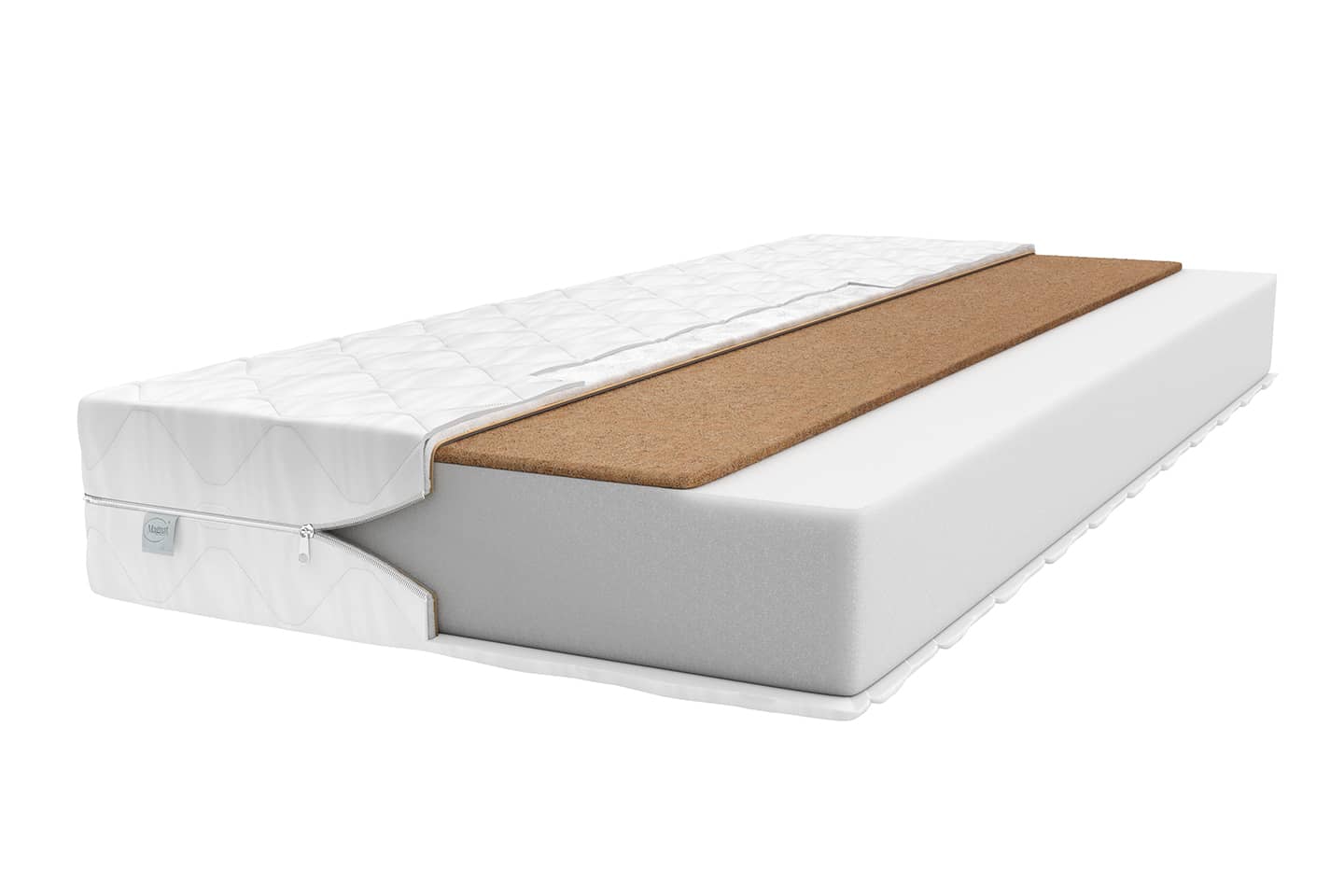
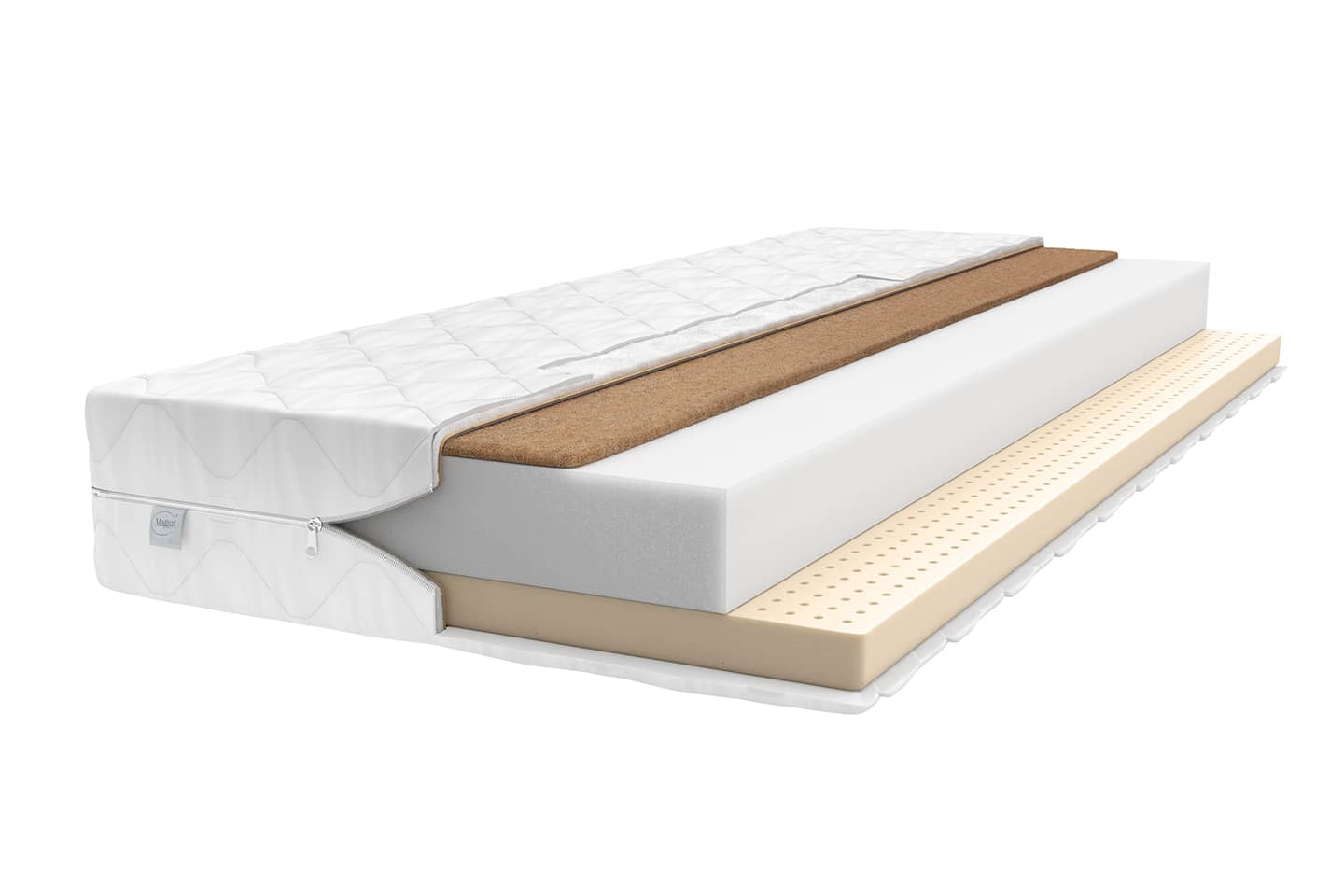


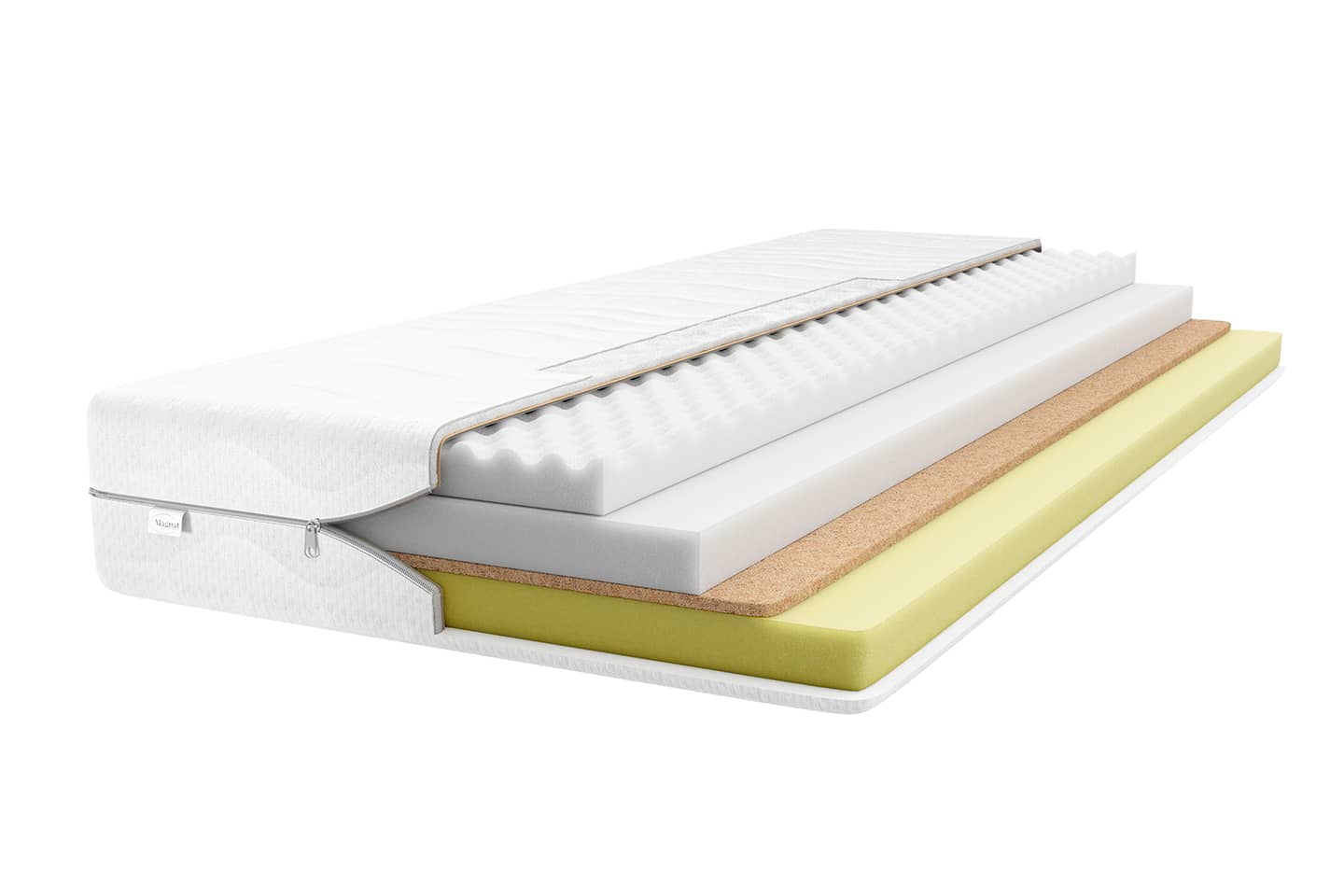

—
Instead of creating long descriptions, it is enough to show a properly made graphic – a cross-section of each of the product layers, highlight and describe their features and advantages. Analysis of such a picture is easier for everyone and understandable at a glance.
Such a prepared offer allows the customer to quickly get acquainted and choose the best product for him or her.
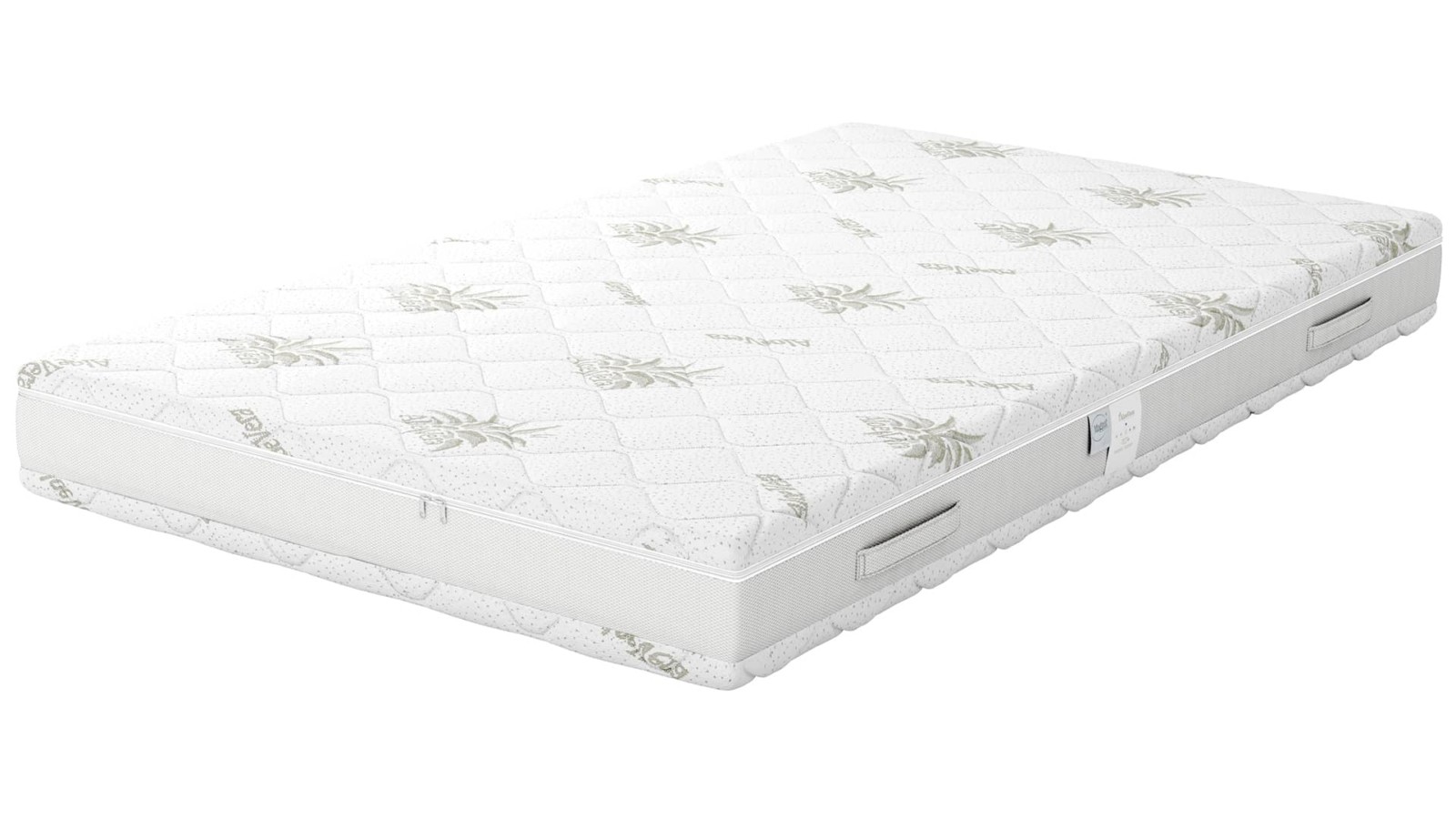
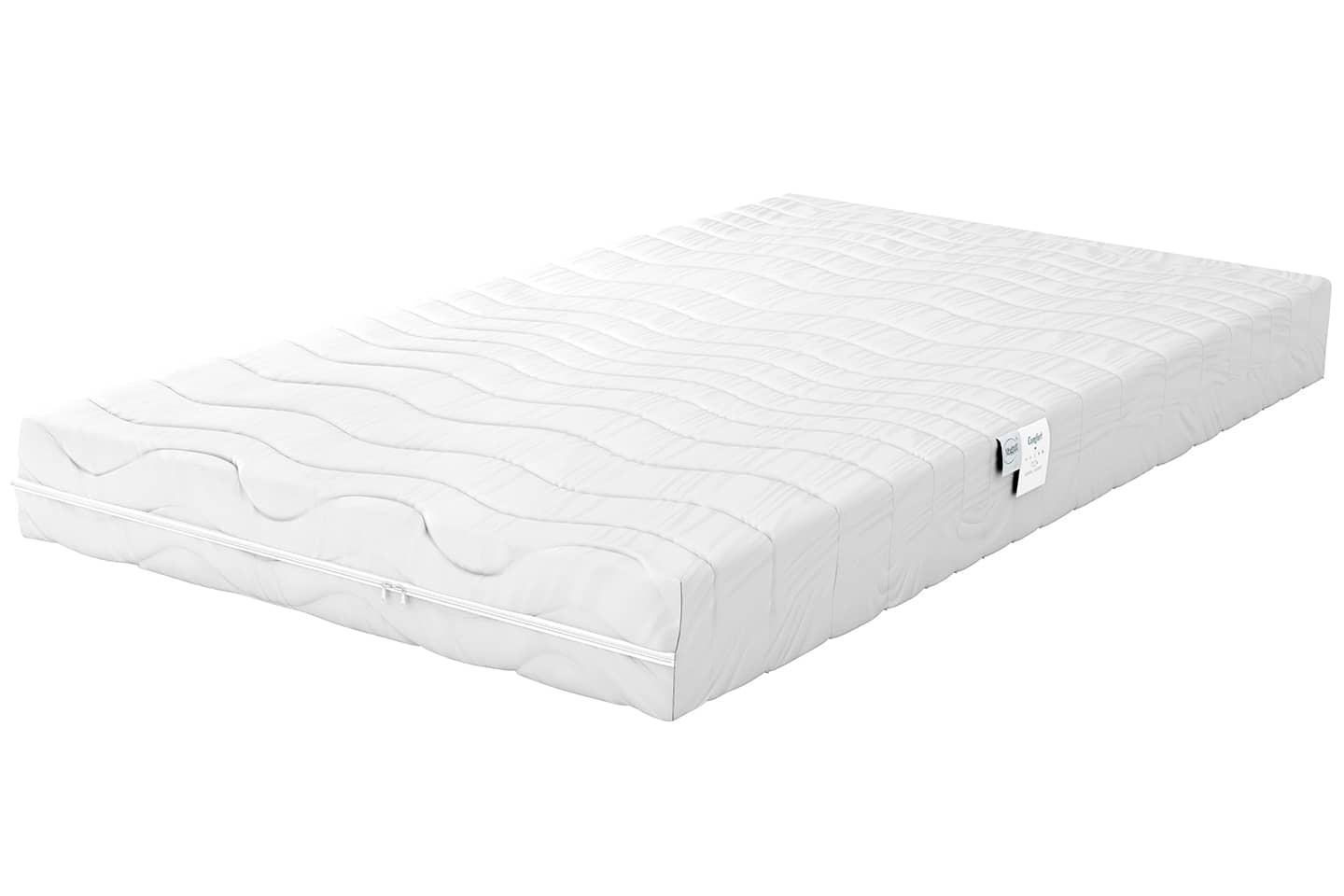


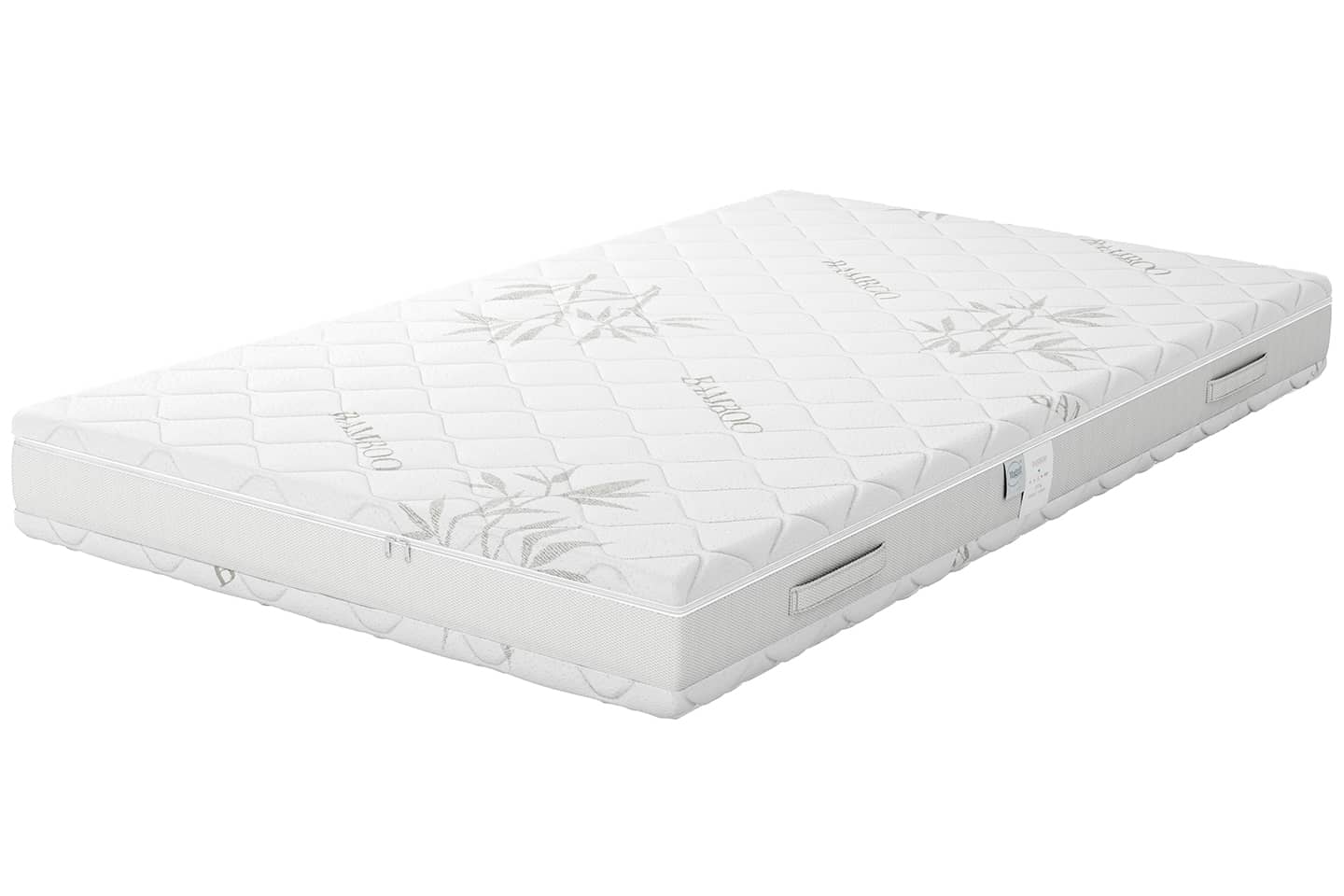
Challenge: how to sell what’s invisible from outside the mattress
A mattress is a rare product where the buyer pays for something they can’t see. From the outside, every model looks the same — a rectangle of fabric — while the value hides in the layers underneath: pocket springs, latex, foam, and even a coconut-fiber layer adding firmness. How do you sell the inside of a product nobody opens before buying it?
Solution: a 3D mattress cross-section instead of a wall of text
The standard answer to that question is a wall of text — articles describing finishes, materials and spring types in exhaustive detail. We went the other way. We built a 3D cross-section visualization that cuts the mattress open and shows exactly what each model is built from — layer by layer — in a single glance. For Magnat we handled the full pipeline: concept design, 3D modeling, and the final visualization.
We use a similar approach — showing in cross-section what’s invisible from the outside — across other product projects, in entirely different industries: for example, the implant visualizations for Almadent. See also our full 3D visualization and animation offer.
What the client gained
- A spec sheet customers usually skim, turned into one image understood instantly.
- Material that builds trust — buyers see exactly what they’re paying for, instead of being asked to trust a description.
- A reusable set of cross-section visuals — product pages, catalogs, sales materials.
- Shifting the conversation from “trust us, it’s better inside” to “see for yourself.”
Frequently asked questions
Can a 3D cross-section visualization replace a real photo of a cut-open product?
Yes, and in many cases it’s the better solution. Physically cutting a mattress open for a photo destroys the unit and shows only one, random cross-section. 3D visualization lets us show the cross-section at any point, with perfect lighting and clearly labeled layers, without destroying the product.
How long does it take to produce a 3D mattress cross-section visualization?
It depends on the number of layers and construction variants to show. For a single model it’s usually a few weeks from receiving the material specification to a finished visualization — with more variants (different firmness levels, finishes), the time extends proportionally.
Do we need CAD files to commission this kind of visualization?
It helps, but it isn’t required. For products like mattresses, an accurate material specification and the dimensions of each layer are often enough — we build the 3D model from that, taking care to get realistic proportions and texture for every element.
Can the same visualization be used across different materials — catalog, website, print?
Yes — that’s one of the main advantages of this kind of production. Once built, a cross-section visualization works on product cards, in printed catalogs, and on a website, at a resolution sufficient for each of those uses.
Does cross-section visualization work for products other than mattresses?
Definitely — the cross-section technique works anywhere product value is hidden inside and invisible from the outside: upholstered furniture, technical equipment, even medical components. The principle stays the same: show it, don’t just describe it.


